Liu Zi Jue (Six Healing Sounds): What It Is, How to Practise the Six Sounds, and What the Evidence Does and Does Not Say
Key Takeaways
- Liu Zi Jue (六字诀) is a health qigong practice of six voiced sounds, each with a mouth shape, a small hand movement and a self-massage step. It is one of the four officially promoted Health Qigong systems in China.
- The mapping of sound to organ (xu to the liver, he to the heart, hu to the spleen, si to the lungs, chui to the kidneys, xi to the triple burner) belongs to traditional Chinese medicine. It is a historical framework, not a medical claim.
- The sound is produced on a long, relaxed exhale - never by holding the breath or forcing volume. A soft, clear tone matters more than a loud one.
- The mouth shape is the part that decides which sound you actually produce: pursed lips for xu, open for he, rounded for hu, wide with upper teeth for si, a small round opening for chui, and a grinning stretch for xi.
- Research on six-sound practice is mostly small, short and inconsistent, so it is better described as a promising area than a proven treatment. This guide says plainly which claims are well supported and which are not.
- Anyone can practise safely. Stop and get advice if you feel dizzy, if the practice brings on palpitations, or if you are pregnant, recovering from surgery, or managing a diagnosed condition.
Tai Chi Blog > Liu Zi Jue (Six Healing Sounds)
Liu Zi Jue (六字诀): A Beginner’s Guide to the Six Healing Sounds
Written by Master Mingde Chen, 12th Generation Chen Style Tai Chi Inheritor Reviewed by Dr. Jing Li, PhD in Biomechanics, Chief Technical Consultant at Wuji Taichi
If you have ever seen someone exhale sharply six times in a row - pursed lips, then open, then rounded, then wide, then small, then a smile - you have seen Liu Zi Jue (六字诀, “six-character formula”), usually called the Six Healing Sounds or Six Healing Sounds qigong in English.
Liu Zi Jue is one of the four Health Qigong systems promoted by the Chinese Health Qigong Association, alongside Ba Duan Jin, Wu Qin Xi and Yi Jin Jing. It is also the shortest: you can learn all six sounds in one sitting, and it can be practised lying down.
What is Qigong?
Qigong (气功) literally means “skill through breath-work”. It is a family of Chinese practices that combine posture, movement, breathing and attention. Some qigong styles are martial arts training; health qigong (健身气功), which is what Liu Zi Jue belongs to, was organised and promoted for general health rather than combat.
Liu Zi Jue sits at the health-qigong end of that spectrum: it needs no equipment, no flexibility to start with, and it can be done seated or lying down.
The sound practice has three parts, and the whole system rests on all three:
- The sound - a single syllable voiced on a long, relaxed exhale.
- The movement - a small hand movement that accompanies each sound.
- The self-massage - pressing or stroking a point on the body after the sound, traditionally understood as the place the sound relates to.
Why This Practice Is Worth Learning
- It is short. Six sounds is a complete, bounded practice you can finish in a few minutes, which makes it realistic to repeat daily.
- It scales down. Amplitude, speed and even the hand movement can be reduced until it suits an older body, a sore back or a hospital room.
- It uses one of the most reliable attention anchors there is - the sound itself. If you have trouble quieting the mind while doing a quiet form, the task of shaping a syllable gives the mind something precise to hold.
- It is teachable by ear. Because the six sounds are acoustically very different from one another, a teacher - or a recording - can guide you accurately.
Your Cheat Sheet to the Six Healing Sounds
| # | Pinyin | Written | Transliteration | Mouth | Traditional organ association |
|---|---|---|---|---|---|
| 1 | xū | 嘘 | shhh-ee | pursed lips, cheeks drawn in | liver / gallbladder |
| 2 | hē | 呵 | huh | open jaw | heart |
| 3 | hū | 呼 | who | rounded lips, strong airflow | spleen / stomach |
| 4 | sī | 呬 | sss | wide mouth, upper teeth showing | lungs |
| 5 | chuī | 吹 | ch-way | small round opening | kidneys |
| 6 | xī | 嘻 | shee | lips stretched sideways in a grin | triple burner (sanjiao) |
How the sound is produced. In every case the sound rides on the exhale. The inhale happens quietly and normally through the nose; the sound is made while air is being let out slowly and evenly. The character 呬 (sī) is the one exception to the rule of thumb that a sound is voiced h - it begins with an s sound, so the tongue sits close to the teeth.
How long. Long enough to be comfortable - roughly five to six seconds for most people, without straining. If you run out of air before the sound is finished, the sound was too long, not your lungs.
What not to do. Do not hold your breath, do not push from the throat, and do not try to be loud. A quiet, clear tone is the goal; noise and force are not.
How to Get Started with Six Healing Sounds
You need almost nothing: a comfortable position (standing, sitting, or lying down), relaxed shoulders, and a little room in front of you for the hand movement.
- Loosen the shoulders. Drop them away from the ears and let the jaw hang.
- Breathe normally for three to four breaths through the nose.
- Add one long, quiet exhale without any sound. This empty exhale is the sound you will later shape.
- Now voice the first sound on the next exhale, keeping the shape of step 3 and only adding the mouth shape and the tongue.
- Pause and breathe. Each sound gets its own breath cycle.
Practise sī and xū first. They are the two most commonly confused, and practising them slowly builds the lips-and-tongue control that the others need.
Three Common Mistakes
- Saying the syllable as a name rather than breathing it. “Say xu” is not the exercise. The sound must be carried on a long outward breath, not spoken aloud after breathing in.
- Trying to go louder. Volume mostly comes from tension, and tension brings neck and jaw strain with it.
- Practising all six while genuinely out of breath. The sound ends the exhale. Stop, breathe normally for a minute, then carry on with the next sound.
When Not to Practise
Stop the practice and seek advice if you feel dizziness, faintness, palpitations, chest tightness, or pain during any sound. Practise with caution - and ask a doctor first - if you are pregnant, recovering from surgery or an acute injury, or managing a diagnosed condition such as cardiovascular disease, respiratory disease, liver or kidney disease, or a hernia. Some of the self-massage steps press on soft tissue in the abdomen; that is a reason to check with a professional, not a reason to skip the practice silently.
Let’s Master the First Two Healing Sounds
Sound #1: Xū (shhh-ee) - The Opening
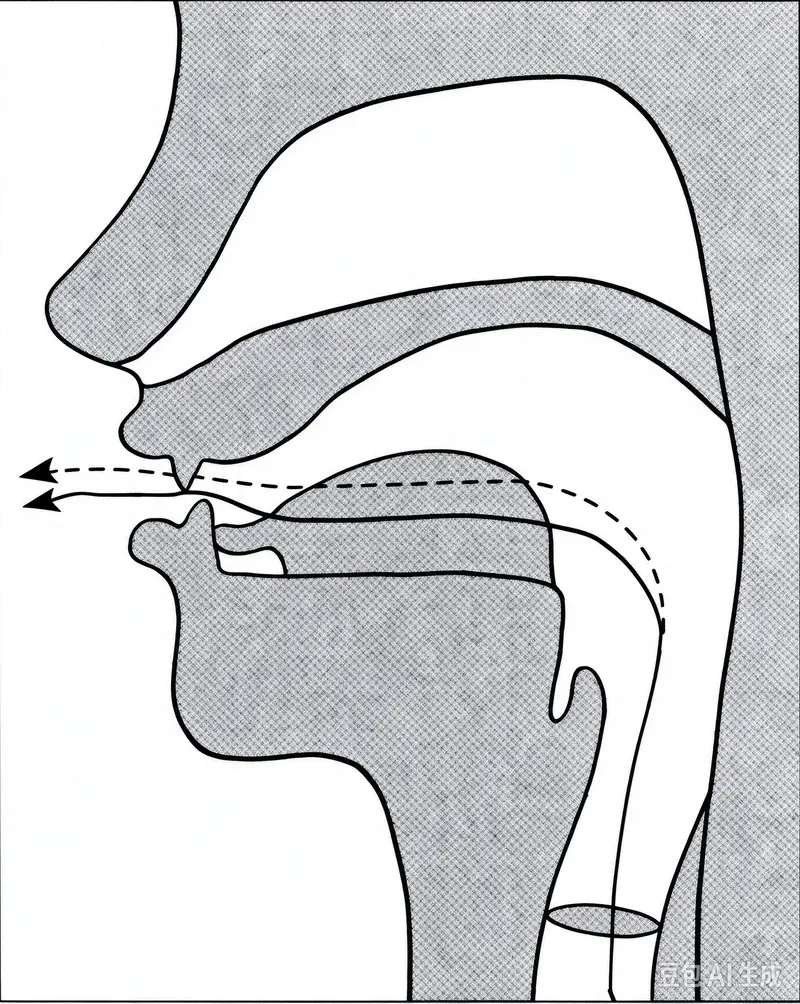
Traditional association: the liver and gallbladder, described in the classic text Liù Zì Jué as “dispersing the liver’s qi”. Treat that as traditional theory, not as a claim about what your liver does.
The mouth shape: the lips are pursed into a small round opening, as if whistling quietly, and the cheeks are drawn in slightly. This is the shape that makes a sustained shhh possible rather than a short, sharp hiss.
The movement: the arms rise slowly to shoulder height with the palms facing forward, then the wrists drop so the hands hang from the wrists. The arms are relaxed, not raised as high as the head.
The feeling: a long, thin stream of air, cooling slightly as it leaves.
A Tip from Tai Chi Wuji In the classic wording, xū disperses; hē gathers. If your xū feels tight or squeezed, you are pushing air. Aim for a sound you could hold in a library - one someone would have to lean in slightly to hear.
Sound #2: Hē (huh) - The Gathering
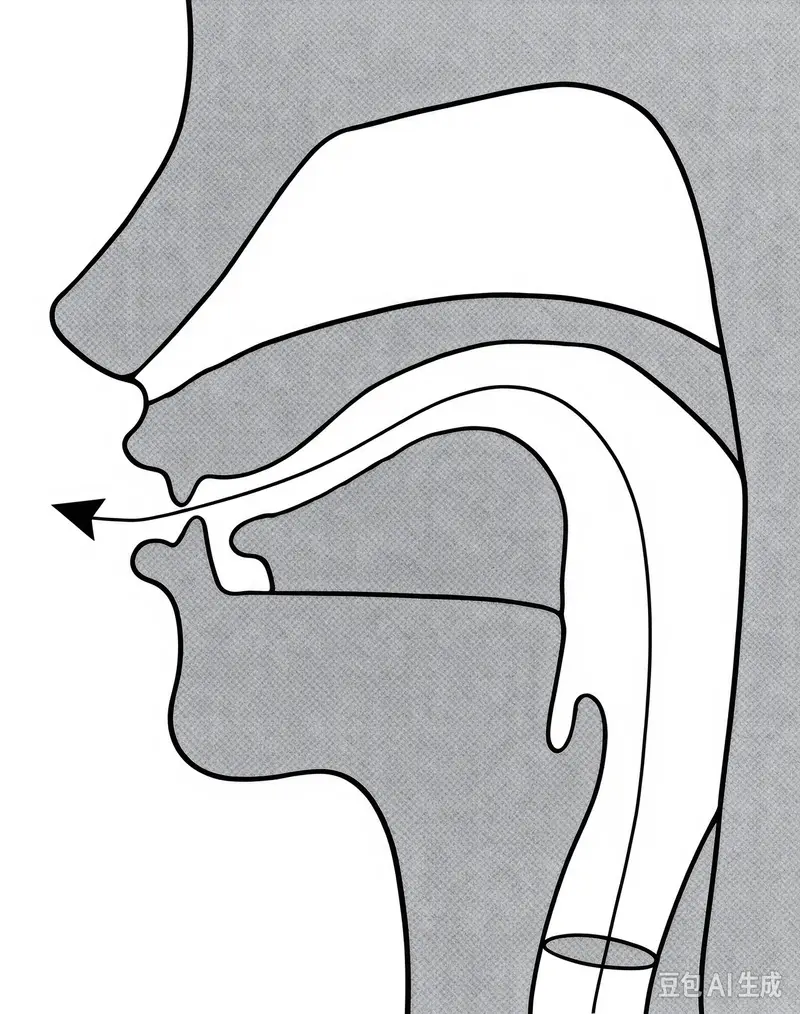
Traditional association: the heart. The same classic text describes hē as “gathering and descending”.
The mouth shape: the mouth is open, the jaw dropped, so the sound comes from a wide-open throat with no shaping of the lips. The contrast with xū is the point: same exhale, completely different mouth.
The movement: one hand rises above the head while the other rests at the navel, palms facing down, then they draw down past each other in front of the body and settle back at the navel.
The feeling: a soft, open, hollow tone - closer to a breathy “huh” than a sung vowel.
A Tip from Tai Chi Wuji Most beginners make hē too small and too far back in the throat. If the sound is hard to hear, drop the jaw further instead of pushing more air.
Unlock Your Body’s Natural Vitality with Three More Sounds
Sound #3: Hū (who) - The Long Exhale
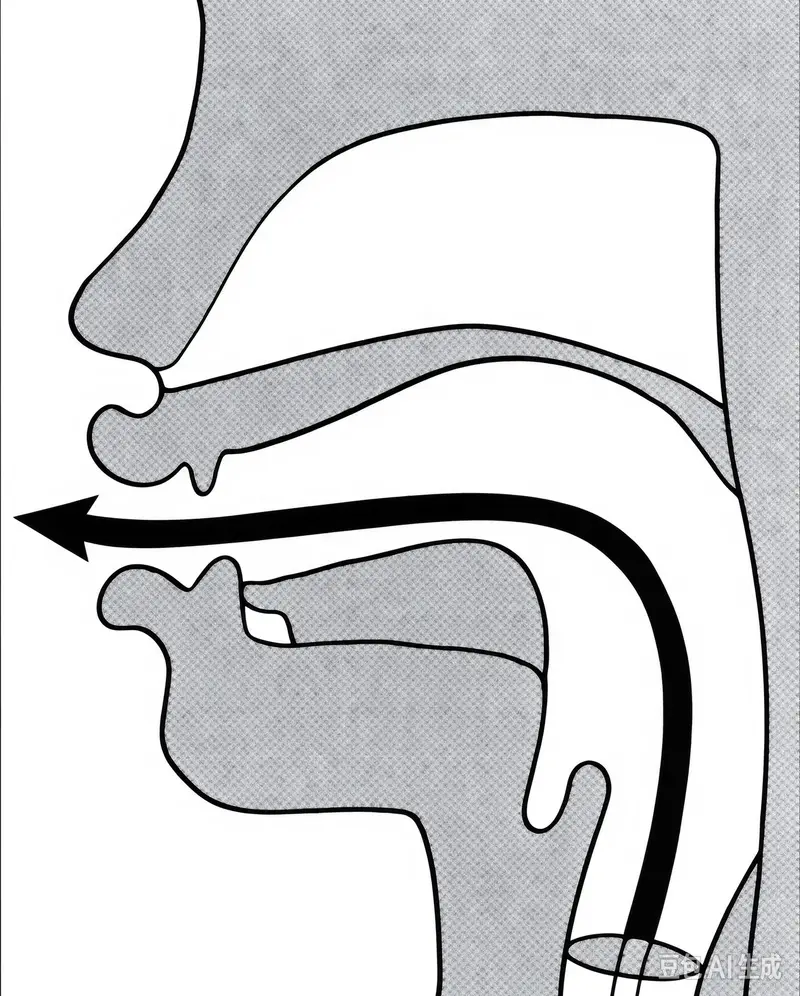
Traditional association: the spleen and stomach - the centre of digestion in traditional Chinese medicine.
The mouth shape: the lips are rounded, but less tightly pursed than in xū. The tone has more body and more airflow behind it, and it is the sound most often made too weak.
The movement: one hand rises past the navel while the other presses downward above it, then they switch. This is the first of the sounds where the hands work in opposition.
The feeling: a steady stream, longer and fuller than the first two.
A Tip from Tai Chi Wuji hū is the sound to practise when you notice your breath is shallow. It is the easiest of the six to make audible without strain, which makes it a good confidence-builder.
Sound #4: Sī (sss) - The Teeth
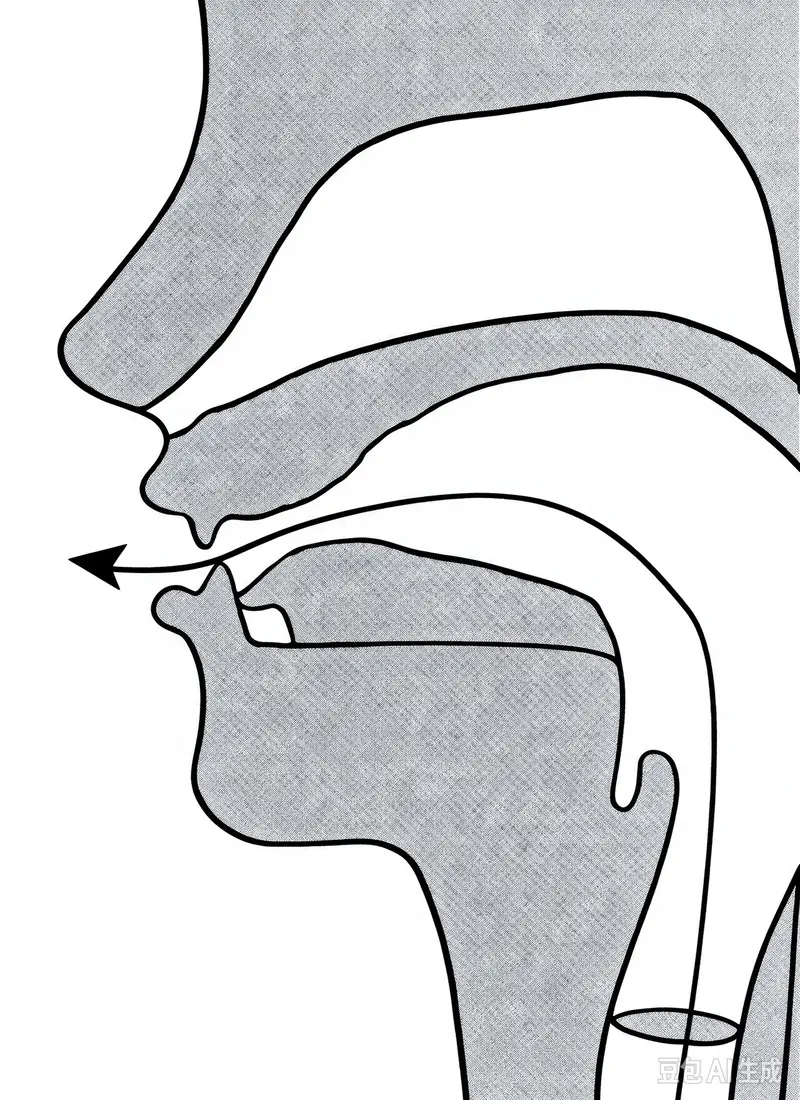
Traditional association: the lungs. The tongue-tip press used in the self-massage step for this sound is traditionally linked with the lung channel.
The mouth shape: the mouth is opened wide with the upper teeth showing and the tongue tip touching the teeth. This is the only one of the six that begins with an s, and it is the sound most often mispronounced as xī.
The movement: both hands rise in front, palms facing out, with the index fingers of each hand pressing the index-finger knuckle of the other hand. This is the sound most often practised sitting rather than standing.
The feeling: a bright, hissing tone with an edge to it.
A Tip from Tai Chi Wuji Sī is the sound people self-censor most. They drop to a whisper because they associate it with “wind” in a polite room. The exercise needs that sibilance: whisper it once to find the tongue position, then give it volume.
Sound #5: Chuī (ch-way) - The Small Round
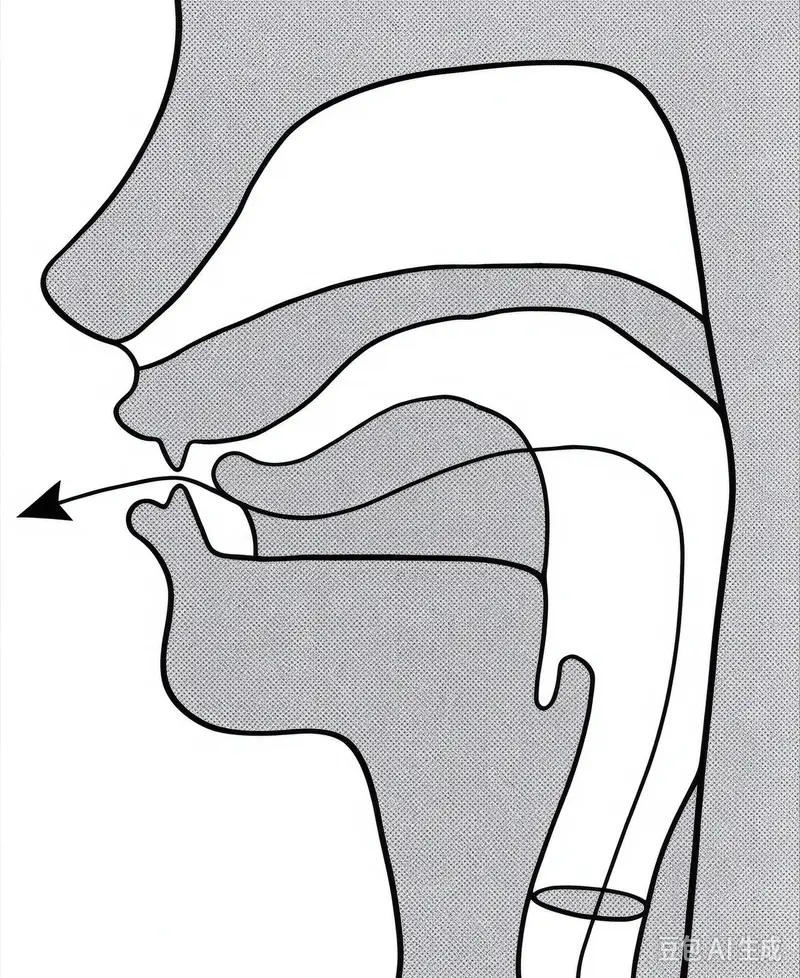
Traditional association: the kidneys - traditionally understood as the root of the congenital constitution.
The mouth shape: the lips form a small round opening, like blowing out a candle slowly. Note the difference from xū: xū is a thin whistle, chuī is a small rounded opening with volume behind it.
The movement: both hands are held in front, palms facing each other, drawn in slowly toward the navel and then pressed away - a drawing-in and pushing-out action repeated twice.
The feeling: a warm, rounded blowing tone.
A Tip from Tai Chi Wuji Practise chuī sitting down first. Standing, beginners tend to lean forward and push, which stiffens the lower back and defeats the point of the sound.
Sound #6: Xī (shee) - The Grin
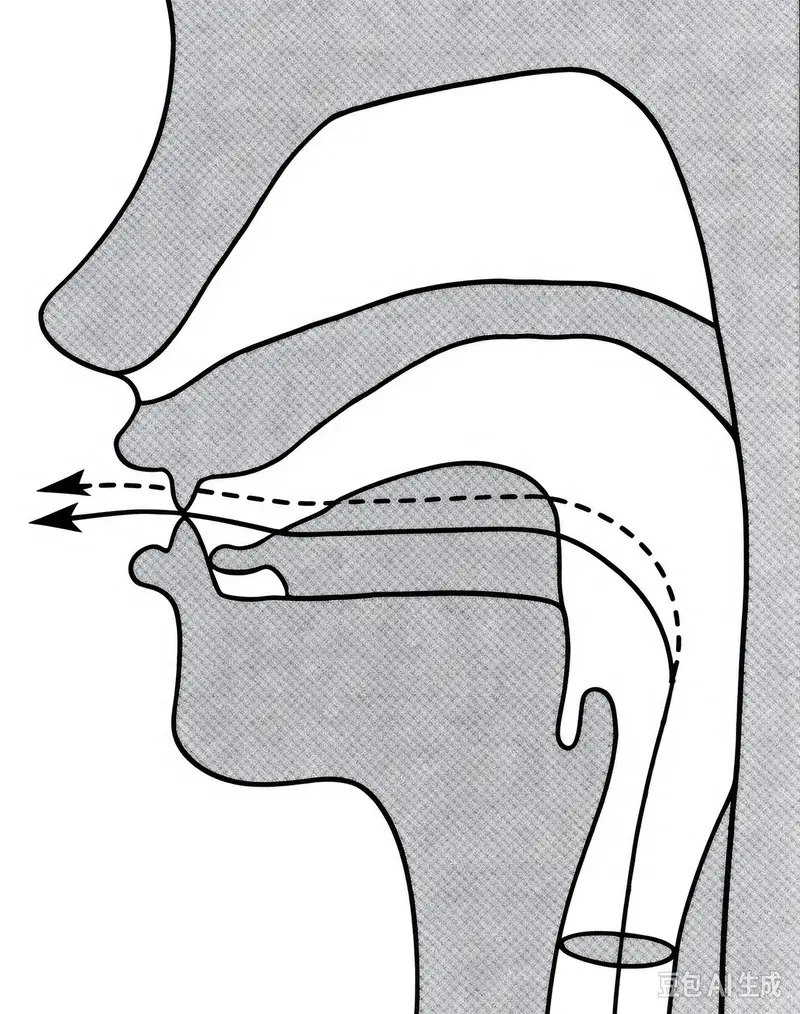
Traditional association: the triple burner (sanjiao), the traditional concept of the body’s three heating and transforming functions.
The mouth shape: the corners of the mouth are drawn wide to the sides, as in a grin, with the teeth slightly separated. It is the last of the six and the one that most visibly changes the face.
The movement: one hand rests on the crown of the head while the other rises from below to support and lift at the navel, pulling the body gently upward.
The feeling: a bright, smiling tone that is easy to sustain.
A Tip from Tai Chi Wuji Finish the whole set with xī. The upward-lifting hand in this last sound is why the sequence traditionally closes by “returning the qi to its source”.
Your First Simple Routine
Once the six mouth shapes are familiar, the classic traditional order is:
- xu - liver / gallbladder
- he - heart
- hu - spleen / stomach
- si - lungs
- chui - kidneys
- xi - triple burner
Practise the sounds three times each, returning to normal breathing between each repetition. The set is usually finished with xī, then followed by a few minutes of quiet, relaxed breathing - traditionally called dàn huàn (丹田换 气, “swapping the breath at the navel”), which many practitioners consider the part that turns the exercise into relaxation rather than exertion.
This is how the method is traditionally organised - not as a medical protocol.
Benefits: What Is Reasonably Supported, and What Is Not
Search results for this topic tend to promise a great deal. It is worth being direct about the evidence.
What is relatively well documented
- Practising a coherent breathing-and-attention routine is associated with lower perceived stress and better relaxation in general adult populations.
- Regular gentle movement of the kind practised in health qigong classes is associated with better balance, mobility and leg strength in older adults.
- Breath-paced movement, of the kind all qigong shares, tends to produce a modest reduction in resting heart rate and improved heart-rate variability, both commonly treated as markers of physiological settling.
What is plausible but still thin
- Effects on asthma and COPD symptoms: several small trials report improvement, but the studies are small, short and mostly lack good controls.
- Effects on blood pressure: reductions have been reported in small trials, but this is not an accepted substitute for medication, and stopping prescribed blood-pressure treatment on the strength of an exercise is not advisable.
- Mood: some trials report improvements in anxiety and mood scores, though effect sizes vary between studies.
What you will see advertised that is not established
- That Liu Zi Jue “detoxes”, “cleanses”, or “flushes” organs. There is no biological mechanism by which vocalising a syllable removes waste products, and no credible evidence of organ “cleansing” in that sense.
- That a specific sound reliably treats a specific disease, or that practising them lets you stop medication. No good evidence supports either claim.
- That a named doctor or hospital endorses the practice for a named condition. Provenance claims like that are commonly fabricated, and you can check any claimed author, journal, or study on PubMed or a trial registry.
How to think about the traditional organ mapping. The liver, heart, spleen, lungs, kidneys and triple burner belong to a framework built before modern medicine, and it is best read as a symbolic classification of symptoms rather than an anatomy. Treat it as a historical and cultural heritage, and let its value stand on the practice itself: a well-learned breathing exercise with a clear, learnable structure and a genuinely calming effect.
Is This Practice Safe for Everyone?
There is no reason to avoid Liu Zi Jue because of a health condition - but do check with a doctor first if you are pregnant, post-surgery or acutely injured, managing heart, lung, liver, kidney disease or a hernia, or if you are a child (practise under guidance rather than alone). Stop immediately if you feel dizziness, faintness, chest pain, palpitations, or sharp pain anywhere, and do not practise through a fever or acute illness.
Practise in a well-ventilated room, and avoid full stomachs.
Your Complete Daily Practice Plan
This is a common sequence for daily practice. It is an organ-system sequence in traditional Chinese medicine - each step pairs with one of the six sounds - and not a health claim.
| Step | Do this |
|---|---|
| 1 | Centre yourself. Sit or stand comfortably; relax your shoulders; breathe normally for three breaths. |
| 2 | Sound 1, xū. Pursed lips, three long exhales, hands rising. |
| 3 | Sound 2, hē. Open jaw, three long exhales, hands drawing down. |
| 4 | Sound 3, hū. Rounded lips, three long exhales, hands in opposition. |
| 5 | Sound 4, sī. Wide mouth with upper teeth showing, three long exhales, index fingers pressing. |
| 6 | Sound 5, chuī. Small round opening, three long exhales, hands drawing in and pushing out. |
| 7 | Sound 6, xī. Grinning lips, three long exhales, one hand on the crown, one lifting at the navel. |
| 8 | Return the qi to its source. Relax, breathe normally, and sit quietly for a few minutes. |
Practise this sequence once a day, or once every other day if you are short on time. Consistency matters more than duration - three honest repetitions of each sound daily will serve you better than a long, forceful session twice a month.
Your Free Video Guide
The full method is demonstrated in our free Liu Zi Jue tutorial video page, and the complete guided version - all six sounds, with a practice framework, is part of the Liu Zi Jue course inside Wuji Academy.
What To Do Next
- Practise the sounds in order - Xu (liver), He (heart), Hu (spleen), Si (lungs), Chui (kidneys), Xi (triple burner).
- Do one simple version of the set, slowly, without adding effort to the sound.
- Sit in quiet breathing for a few minutes afterwards.
- Return to practise Liu Zi Jue regularly, and consider adding a full Wu Qin Xi (五禽戏) practice on the days when you want movement as well as breath.
- Read the background and the honest evidence in Liu Zi Jue meaning and history and in What the research supports.
FAQ
Can anyone do this practice, or is it too advanced for a beginner? Liu Zi Jue is one of the simplest Health Qigong systems, and is often taught as a first practice. It can be done standing, sitting, or lying down.
Is Liu Zi Jue qigong? Yes. It is a recognised health qigong system - specifically a health qigong method, rather than a martial art.
How long should a Liu Zi Jue session be? Most of the system is a matter of the daily sequence and its repetitions; three rounds of six sounds is a common minimum, and any amount you can do consistently is a good start.
Are the six sounds supposed to be loud? No. Volume is not the point. A gentle, clear sound on a relaxed exhale is the goal.
Is Liu Zi Jue the same thing as “six healing sounds qigong” and “liu zi jue qigong”? Yes - they are the same practice under different English names, and many English-language sources transliterate the Chinese name directly as “liu zi jue”.
How do I pronounce the six sounds? Xu, he, hu, si, chui, xi. All are voiced on the exhale, not the inhale.
Can I practise Liu Zi Jue if I am pregnant? Yes, but consult your doctor beforehand, and skip the abdominal self-massage steps if advised to.
What is the difference between Liu Zi Jue and Wu Qin Xi? They are two of the four official Health Qigong systems. Liu Zi Jue works mainly with breath and sound, and is the shortest of the four; Wu Qin Xi (五禽戏) is a full standing form built around five imitated animals, and works more through posture and balance. They are commonly practised together.
Is it really OK to skip the “healing sounds” in the name? Yes. The phrase “healing sounds” is the common English name, not a statement about proven medical effect. The six sounds are a breathing and attention practice; what they reliably do is settle the breath, and teach the mouth and attention to work together.
This article is for education, not medical advice. Talk to a qualified healthcare professional before starting any exercise programme, especially if you are managing a health condition. The organ correspondences above are described as traditional framework, not medical claim - see clinical evidence for how this site reports research.
Practise this with music
The recordings in the free music library that were cut to sit under this routine - a short version for daily practice, and the full-length recording for when you are learning the sequence.
Liu Zi Jue
六字诀Six sounds, each paired with a different exhalation. The shortest routine in the collection and the one built entirely on the breath, so it works on its own or as a warm-up in front of something longer.
- Competition form with cues
2 full-length recordings, with cues and instrumental. Download only.
15free Qigong recordings·18full-length, members only
Free streaming needs no account. Downloads ask for an email once. The full-length versions are download-only and come with membership — membership also opens every structured program.
9 routines in the library —see the full list.
Master Mingde Chen
12th generation Chen-style inheritor with decades of teaching experience.
View all articles →