How Traditional Sports Took Shape: The Body, Rules, and Cultural Identity
Key Takeaways
- Traditional sports do not share one origin: they emerged from different combinations of practical work, play, festival and organised competition, and the differences between them are the point rather than an embarrassment
- Rules do not only restrict what competitors may do; they decide which abilities count as skill, which is why the same body trained in two sports is not trained the same way
- Taijiquan is one case among many rather than a template: it shows how a family practice became a regulated sport and a health practice at the same time, and what each of those uses asks of the body
On This Page
Loading...
Human beings share many physical abilities: strength, balance, speed, endurance, coordination, and the capacity to respond to an opponent. Yet these common abilities have given rise to remarkably different sporting traditions around the world.
Why did some societies develop wrestling festivals, others create complex ball games, and others preserve movement practices such as Taijiquan? How did physical activities become organized competitions with rules, spectators, titles, and cultural significance?
The answer is not a single origin story. Traditional sports took shape through different combinations of practical activity, play, competition, teaching, ritual, and social organization. Their histories reveal both the physical capacities people share and the different meanings communities have given them.
In Sport in Ancient Times, historian Nigel B. Crowther examines sport in relation to the societies in which it developed. This historical perspective offers a useful starting point for comparing sporting traditions without assuming that they all followed the same path.
Taijiquan, or Tai Chi, provides one entry point into this wider discussion. Its movement routines, partner exercises, and teaching traditions illustrate how physical practice can become a system of learned skills and cultural transmission. Other traditions—from Chinese cuju and Southeast Asian ball games to Mongolian wrestling and Irish hurling—offer different answers to the same broad question: how do people turn physical abilities into recognizable sporting practices?
1. Different Paths to Competition
How does an activity associated with everyday life become an organized competition?
Chilean rodeo offers one example. The historical account presented by Memoria Chilena, the digital library of Chile’s National Library, describes rodeo in relation to cattle work and rural life. Over time, the activity developed into a more formal sporting event, with dedicated arenas, judging, prizes, and regulations.
This transformation illustrates how an activity can acquire a new social function. Work does not automatically become sport. An activity may be separated from its practical setting, performed before spectators, and reorganized around competition. Institutions and rules then help establish what participants train for and what audiences recognize as success.
Horseback games offer a different example. In the modern Kyrgyz game of Kok Boru, two teams of riders compete to carry an ulak—a traditional game object historically associated with a goat carcass—toward a goal. The contest demands horsemanship, strength, balance, spatial judgment, and teamwork. It is also connected to community life and cultural transmission.
Kok Boru and the related game known as Kokpar should not simply be treated as interchangeable names for one uniform tradition. Their regional histories, rules, and institutions need to be considered in their own contexts.
Kırkpınar oil wrestling in Türkiye provides another pathway. The festival combines wrestling with music, ceremonial roles, public recognition, and the pursuit of the title of Chief Pehlivan. The competition is not merely a test of strength: it takes place within a recurring social event that connects athletes, spectators, and a wider tradition.
These examples reveal several ways sporting traditions can develop:
- Practical activities can be reorganized into competitions.
- Games can become part of recurring festivals and public celebrations.
- Rules and institutions can establish recognizable standards of performance.
- Communities can preserve and reinterpret practices across generations.
These pathways should not be collapsed into one universal theory. A sport involving horses, grappling, or physical strength does not automatically prove that it originated in warfare or survival. Such historical connections may be relevant in individual cases, but they require evidence.
Traditional sports have developed through different combinations of practical activity, recreation, competition, and social organization—not through one inevitable progression from necessity to sport.
2. The Body as a Technical System
Physical ability is not the same as sporting technique. Technique emerges when movements are learned, repeated, refined, and adapted to the demands of a particular activity.
Taijiquan makes this distinction especially visible. UNESCO describes it as a physical practice involving coordinated, flowing movements and breath regulation. Its practice includes routines and partner exercises such as tuishou, or pushing hands. The tradition is transmitted through teachers, families, schools, and other learning communities, with different styles reflecting different approaches.
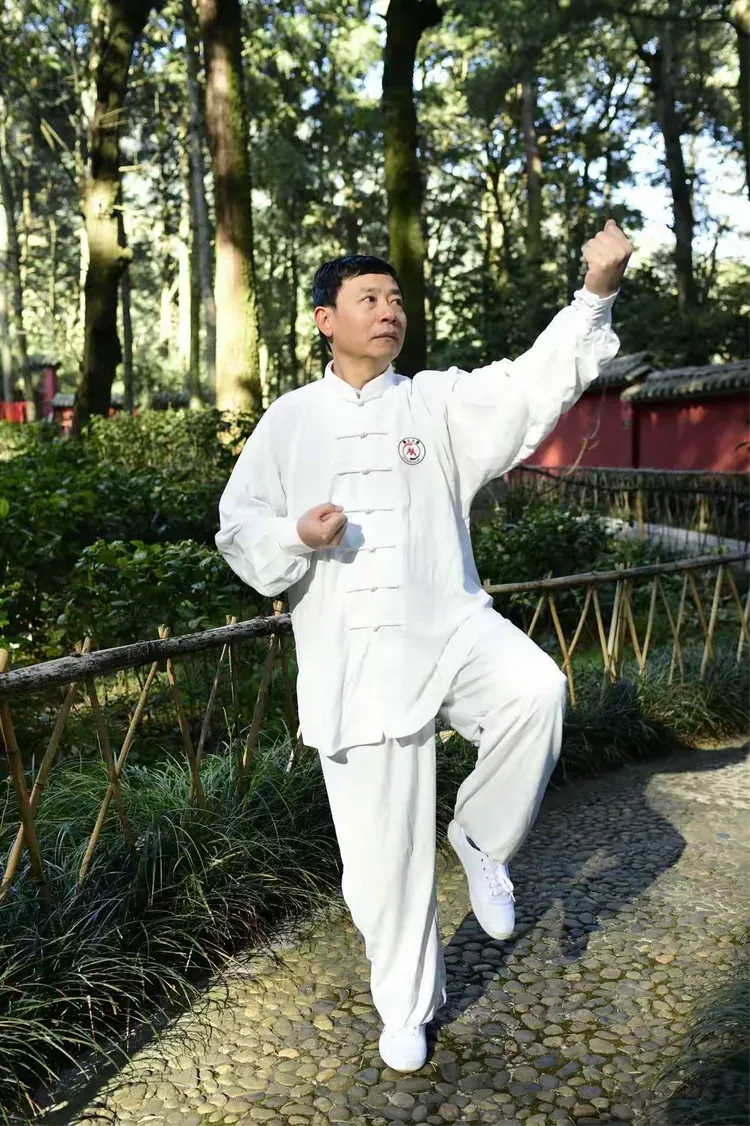
Taijiquan can be examined through observable movement demands: shifting weight, maintaining balance, coordinating the upper and lower body, and responding to a partner. These observations can help explain the practice without claiming that a particular biomechanical mechanism has been scientifically proven unless relevant research supports it.
Its physical techniques also cannot be separated completely from teaching and interpretation. The same movement may be practiced as part of a solo routine, a partner exercise, martial training, or a health-oriented class. The movement’s purpose and meaning depend partly on the context in which it is taught.
Chinese cuju, a historical ball game, presents a different set of technical challenges. Historical accounts describe multiple forms of cuju, including competitive and non-competitive practices. Depending on the form, skill could involve ball control, kicking accuracy, coordination, or performing movements according to particular expectations.
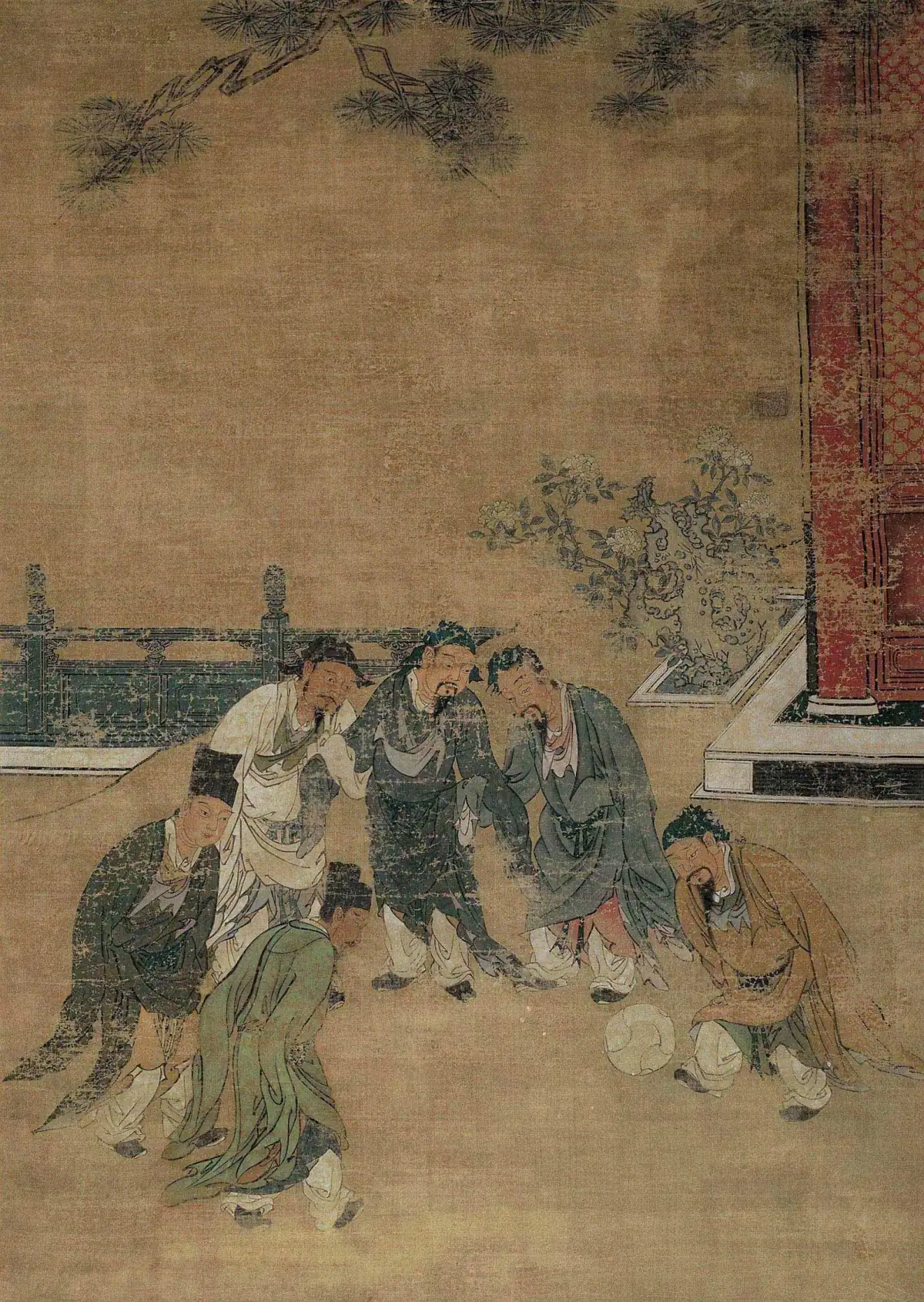
Cuju should therefore not be reduced to one timeless set of rules or described as an unchanged version of modern football. It is better understood as a family of historical practices whose forms and purposes varied over time.
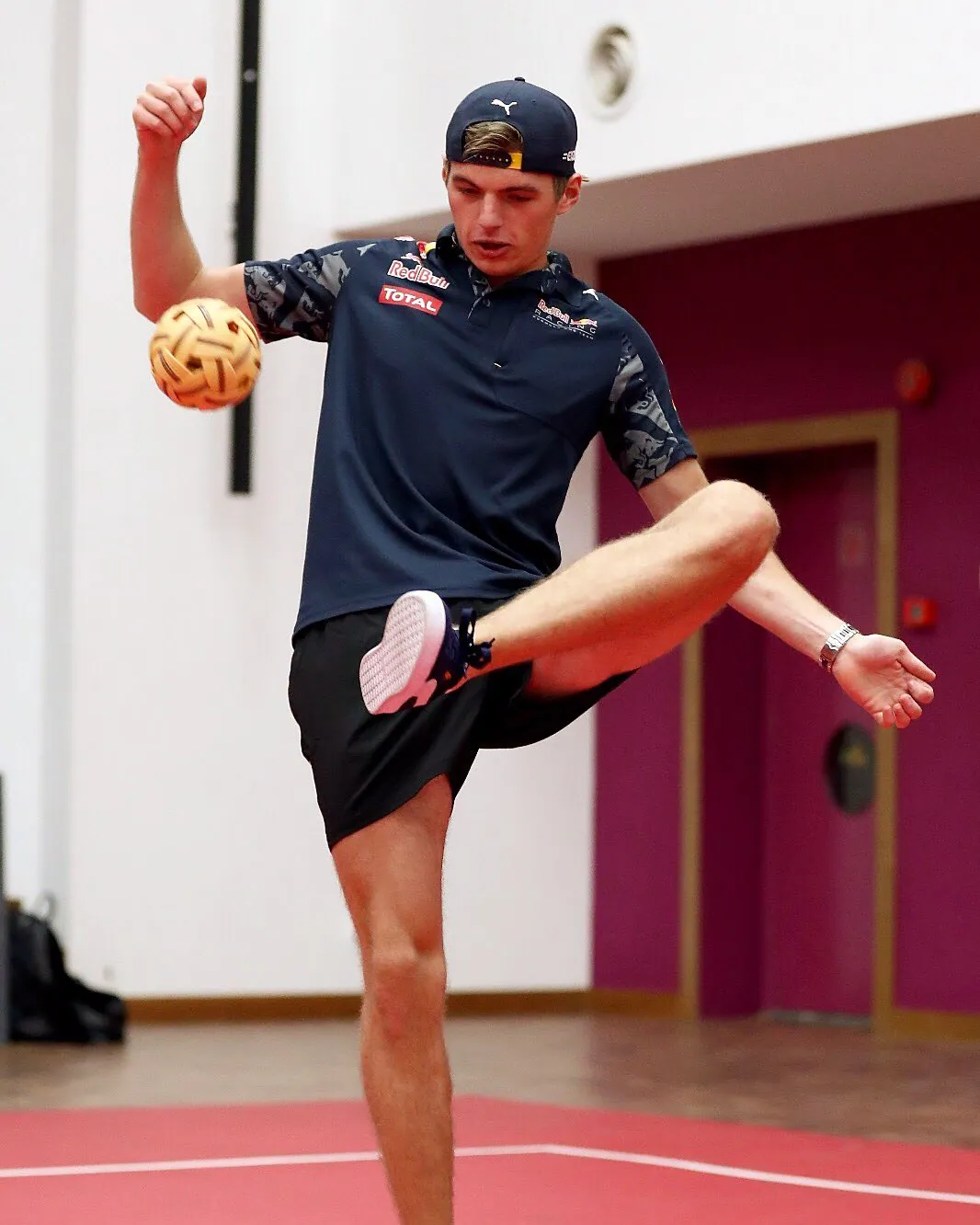
Sepak Takraw and Chinlone offer another useful comparison. In modern Sepak Takraw competition, players use permitted parts of the body—especially the feet, knees, chest, and head—to control and return a ball across a net. Players must coordinate timing, balance, jumping, and ball placement while responding to opponents.
Chinlone, associated with Myanmar, places a different emphasis on the relationship between individual movement and collective performance. In forms described by the Smithsonian Folklife Festival, players pass a light woven ball within a circle, using controlled and expressive movements. The quality and continuity of the performance can be central to the experience rather than merely a means of defeating an opposing team.
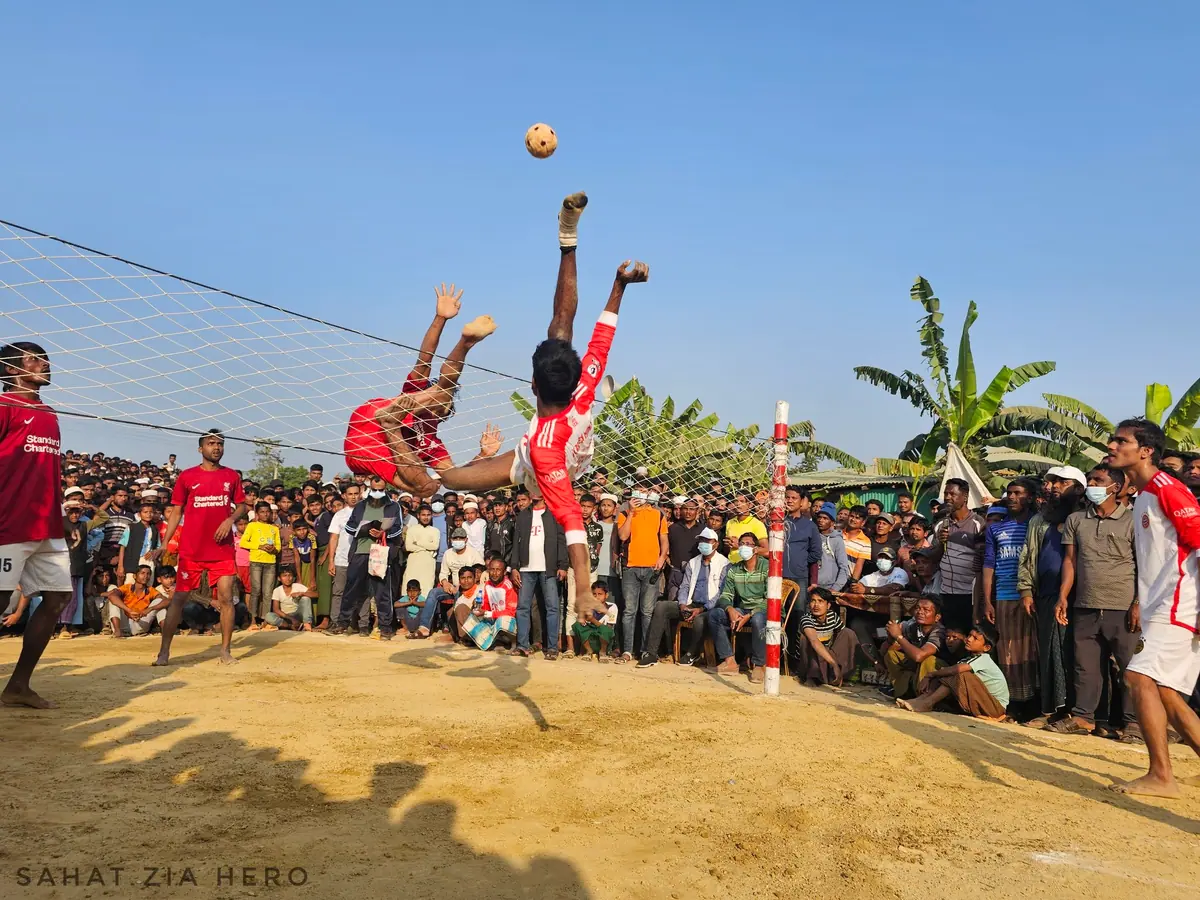
These activities share some visible movement demands, but similarity does not prove direct historical descent or identical cultural meaning. Different communities can develop their own solutions to comparable physical challenges.
Cesta Punta, a form of Jai Alai played with a curved hand-held cesta, illustrates a different relationship between body and equipment. The implement allows players to catch and propel a ball against a wall at high speed. Successful play depends on reading trajectories, positioning the body, coordinating the equipment, and judging space.
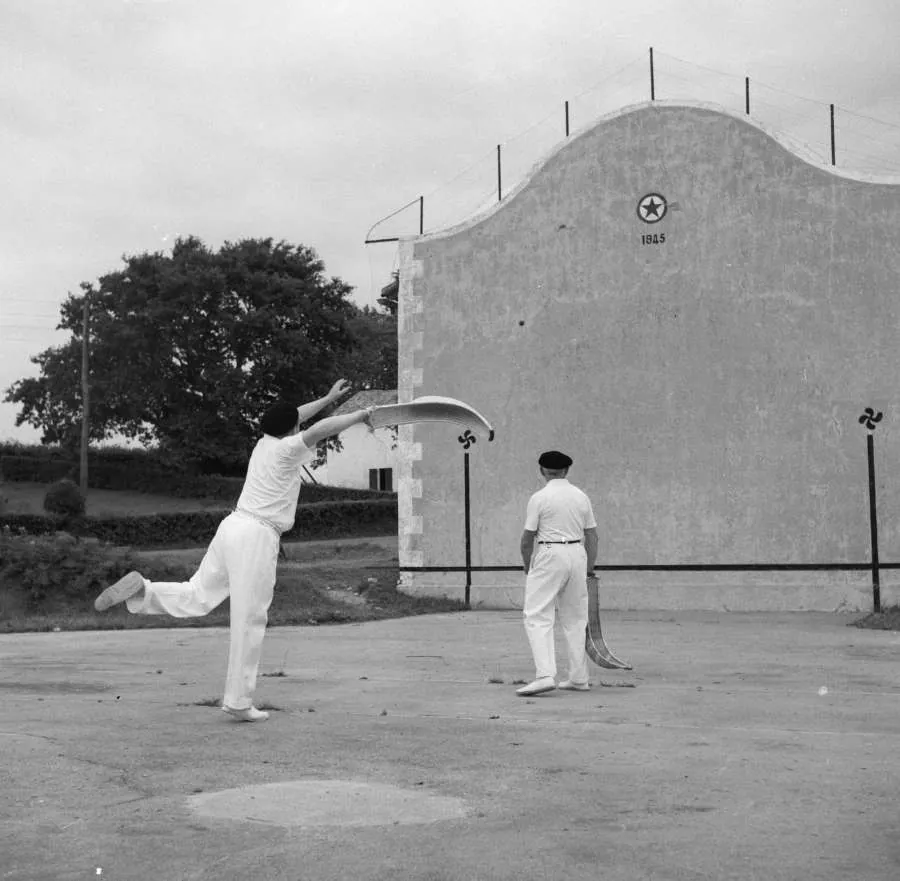
How the body and equipment shape skill
| Sporting tradition | Central physical demand | Role of equipment or setting |
|---|---|---|
| Taijiquan | Balance, coordinated movement, responsiveness | Routines and partner practice shape movement |
| Cuju | Ball control, accuracy, coordination | The ball and the particular historical form define the task |
| Sepak Takraw | Timing, agility, aerial control | Net, court, and scoring rules shape technique |
| Chinlone | Coordination, controlled movement, collective rhythm | Circular formation and performance context influence play |
| Cesta Punta | Reaction, trajectory judgment, precise control | The cesta and wall create a distinctive technical environment |
The comparison is not that these sports train the body in the same way. Each organizes movement around a different environment and purpose. Taijiquan emphasizes learned movement sequences and partner responsiveness; Sepak Takraw demands precision under competitive pressure; Chinlone foregrounds coordinated performance; and Cesta Punta makes equipment and ball trajectory central to play.
The body becomes a technical system through practice, but the form that system takes depends on the activity’s goals, equipment, teaching methods, and rules.
3. Rules Create Different Skills
Rules do more than restrict what competitors can do. They determine which abilities count as successful performance.
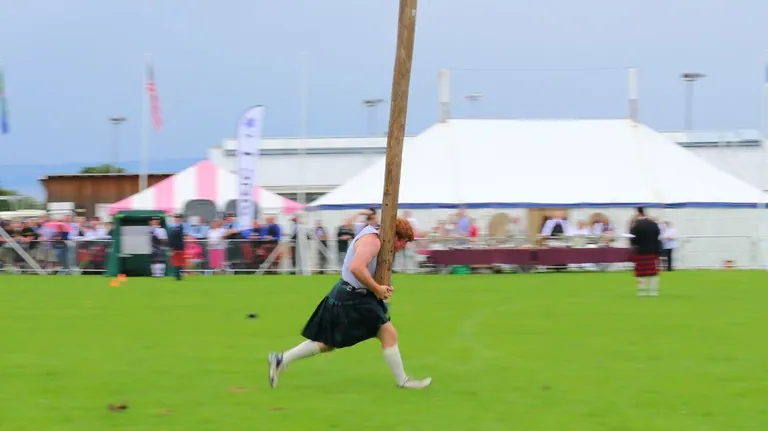
Consider the caber toss in Highland Games. Competitors lift and turn a large wooden pole, and the landing position matters—not simply how far it travels. In commonly used formats, judges assess the direction and completion of the turn. Strength alone is not enough; control and accuracy are also essential.
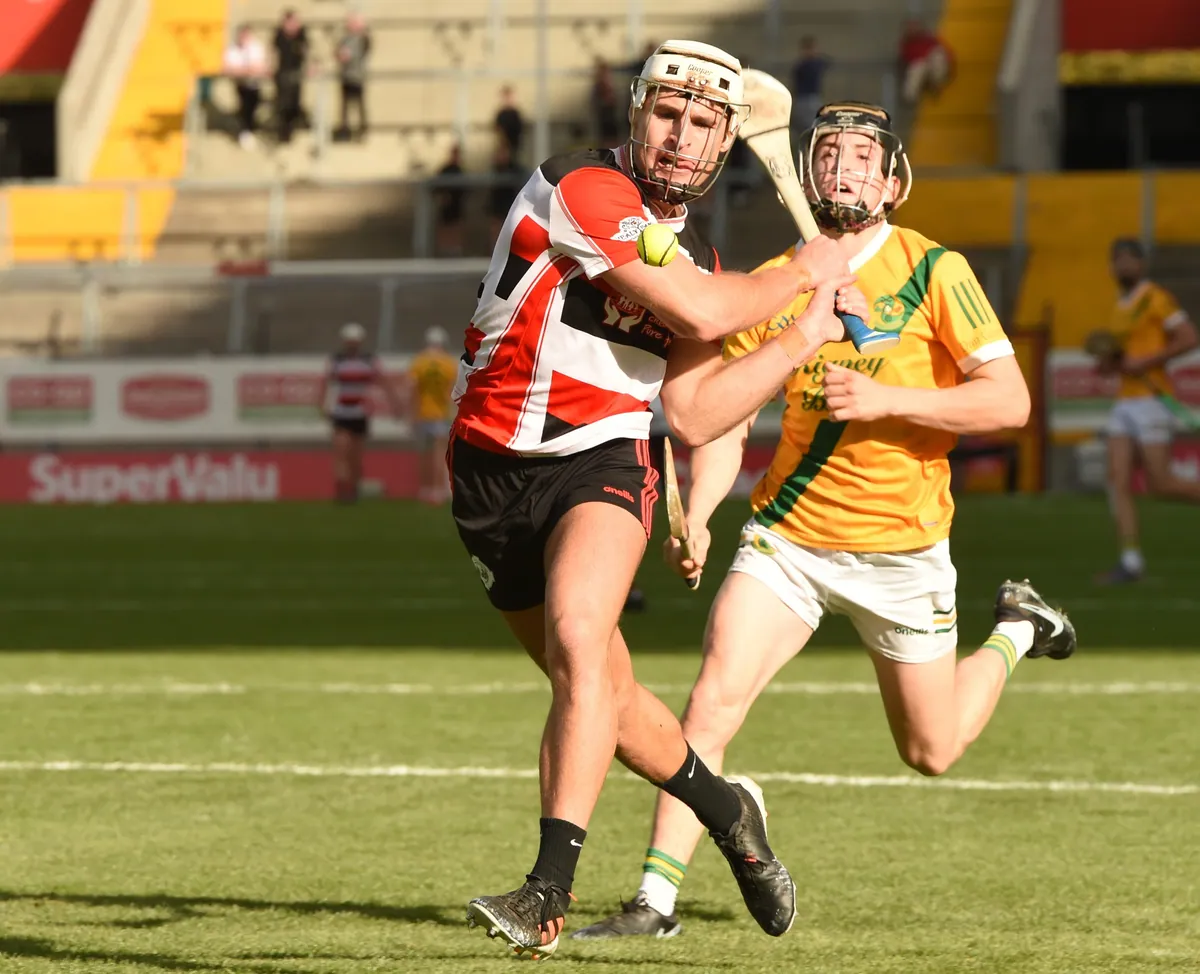
Hurling creates a different technical environment. In this Irish field sport, players use a hurley to strike a ball called a sliotar. They must combine striking power and accuracy with positioning, teamwork, and quick decisions under pressure. The playing field, equipment, scoring system, and permitted actions all shape the skills that matter.
Kabaddi organizes competition around encounters between attackers and defenders. In modern international formats, a raider enters the opposing team’s half and attempts to score while defenders work together to stop the raid. Success requires agility, timing, tactical judgment, and the ability to coordinate individual movement with a team’s response.
Kabaddi has multiple recognized forms, including different court formats and regional styles. The rules of one contemporary version should not be assumed to represent every form or historical period.
Sumo provides a particularly clear example of how rules define victory. Under modern professional rules, a wrestler generally wins by forcing an opponent out of the ring or making the opponent touch the ground with a body part other than the soles of the feet. The objective is not simply to exert maximum force. Position, balance, timing, and the ability to exploit an opponent’s movement all matter.
Mongolian bökh offers another model. At Naadam, wrestling is part of a larger festival that also includes horse racing and archery. In the commonly described national festival format, wrestlers compete through an elimination structure, with titles and ceremonial recognition accompanying achievement. Local traditions and institutional formats can differ, so one set of rules should not be treated as universal across every period and community.
What rules make valuable
Across these examples, the meaning of skill changes with the competition:
- Caber toss: a controlled turn and landing position matter, not just lifting power.
- Hurling: striking ability must work together with positioning, teamwork, and decisions.
- Kabaddi: individual agility is combined with tactical interaction between raiders and defenders.
- Sumo: balance, positioning, and legal ways of winning define effective technique.
- Bökh: wrestling performance is connected to tournament progression and public recognition.
There is no neutral measure of sporting ability that makes all these performances directly comparable. Rules establish the problem athletes must solve. They also shape training, strategy, spectators’ expectations, and the standards by which excellence is recognized.
4. Sport as Cultural Practice
Sporting traditions often extend beyond the moment of competition. They may connect participants to festivals, teaching lineages, regional identities, community relationships, or shared values.
Naadam in Mongolia illustrates how several sporting events can form part of a larger cultural occasion. UNESCO describes the festival through its three central games—horse racing, wrestling, and archery—alongside music, performance, food, craftsmanship, clothing, and ceremonial practices. The games are embedded in a broader social setting rather than existing as isolated contests.
This does not mean every element has remained unchanged or that the contemporary festival can establish every detail of its distant past. It shows how sport can become part of the way a community expresses continuity and identity.
Kırkpınar oil wrestling similarly connects athletic achievement with festival life. Ceremonial processions, music, public introductions, and the award of the Golden Belt give the event a social form beyond the individual bout. UNESCO also highlights the transmission of wrestling knowledge through master-apprentice relationships.
Taijiquan offers a different form of cultural continuity. Its teaching may involve teachers, families, schools, routines, and partner exercises. Demonstration and repeated practice transmit knowledge that cannot be fully conveyed through written rules alone.
At the same time, Taijiquan is not one uniform practice with one social purpose. It can be taught as a martial art, practiced for health, performed as a routine, or studied as part of a cultural tradition. These uses overlap, but they should not be collapsed into a single definition.
Hurling also has a strong relationship with community identity in Ireland. Clubs, spectators, competitions, and organized institutions connect the game with local social life. That relationship is historically important, but it should not be used to suggest that all communities have always experienced the sport in the same way.
These examples show that cultural meaning is not simply an extra layer added to a physical activity. Ritual, teaching, recognition, and community participation can help determine how a sport is practiced, why people continue it, and what they believe it represents.
Cultural identity is also not fixed. A sport may be meaningful to several communities at once, and the meanings attached to it can change across generations. Official heritage descriptions are valuable sources for understanding how a tradition is represented and safeguarded, but they should be read alongside the history of the practice and the experiences of its practitioners.
5. What Changes When Traditions Modernize?
When traditional sports enter modern institutions, they are not simply preserved or lost. They may be reorganized, standardized, taught to new audiences, and given new purposes.
Formal rules and governing bodies can make competition easier to organize across regions. They can establish consistent scoring systems, define permitted techniques, and create pathways from local events to national or international competitions. These same processes can privilege one version of a sport over others, making local variation less visible.
Chilean rodeo illustrates how an activity associated with agricultural life developed into regulated competition. Its transformation involved dedicated venues, judging, prizes, and formal rules. The modern sport is not necessarily an unchanged survival of colonial-era practice; it is also the product of subsequent institutional development.
Kok Boru shows how contemporary organization can coexist with inherited practice. The modern game retains a strong connection to horsemanship and community identity while using organized teams, refereeing, and formal competition. Modern rules are part of the tradition’s present-day history, not proof that every earlier version followed the same format.
Taijiquan has undergone several kinds of adaptation. It is practiced in martial settings, health-oriented classes, community groups, and formal education. Standardized routines can make instruction accessible to larger groups, while different teachers and lineages may preserve distinct approaches.
Wider participation can support transmission, but it can also change which aspects receive the most attention. A health-oriented class may emphasize accessible movement and regular practice, while martial training may place greater emphasis on partner interaction and application. Neither context automatically represents the entirety of Taijiquan.
A similar distinction applies to Chinlone and Sepak Takraw. Their use of a ball and some overlapping movement skills make comparison productive, but their aims and competitive structures differ. International competition can formalize a game around scoring and winning, while other forms may emphasize collective performance and expressive movement.
Cultural-heritage recognition can bring attention to a practice and support its safeguarding. UNESCO inscriptions of Taijiquan, Kırkpınar oil wrestling, Naadam, and Kok Boru document their significance as living cultural practices. They do not rank the traditions by age, establish that one version is the most authentic, or independently settle every historical claim associated with them.
What modernization can change
- Rules: Greater standardization can make competitions easier to compare while reducing local variation.
- Education: Schools and formal programs can introduce practices to new generations and audiences.
- Health and recreation: A tradition may gain new participants as its practice expands beyond its original or established settings.
- Professional competition: Organized events can create new incentives, training demands, and public identities.
- Heritage programs: Recognition can increase visibility and support transmission, while also encouraging particular ways of presenting a complex history.
Modernization can preserve and transform at the same time. Rules can protect a recognizable form while reducing variation. Wider participation can sustain transmission while changing the context of practice. Heritage recognition can provide visibility while encouraging a particular public account of a complex history.
Tradition is not simply what remains untouched by change. It is also what communities continue to practice, teach, adapt, and interpret.
Conclusion: Shared Human Capacities, Different Sporting Traditions
The comparison returns us to Taijiquan. Its movement routines, partner exercises, teaching relationships, and varied contemporary uses show how physical practice can become a system of skills and a form of cultural transmission. But Taijiquan is one example among many, not a template against which all other sports should be measured.
Chilean rodeo shows how an activity associated with agricultural work can become organized competition. Kok Boru demonstrates how a demanding horseback game can combine technical skill with community identity. Kırkpınar and Naadam show how sporting contests can be embedded in festivals and ceremonial life. Cuju, Sepak Takraw, Chinlone, and Cesta Punta reveal different relationships between the body, equipment, space, and the goals of play. Hurling, Kabaddi, Sumo, bökh, and the caber toss show how rules create distinct definitions of successful performance.
Together, these cases reveal a shared human capacity to train the body, develop techniques, organize contests, recognize achievement, and pass practices to others. Yet that common capacity does not lead to a single sporting tradition. The outcomes depend on particular environments, institutions, rules, cultural relationships, and historical circumstances.
In The Anthropology of Sport: Bodies, Borders, Biopolitics, Niko Besnier, Susan Brownell, and Thomas F. Carter offer a perspective for thinking about sport not only as physical performance but also as a social practice through which bodies are trained, communities are formed, and identities are negotiated.
Traditional sports are neither isolated relics of the past nor interchangeable expressions of universal athleticism. They are living practices shaped by history and continually reinterpreted in the present. Understanding them requires attention to both what human bodies can do and the different worlds in which people decide what those abilities should mean.
Frequently Asked Questions
What makes a sport a traditional sport?
A traditional sport is generally associated with a community’s inherited practices, cultural history, or established forms of transmission. The term does not mean that its rules have never changed. Many traditional sports have adapted to new institutions, audiences, and competitive formats over time.
Which traditional sport is the oldest?
There is no simple, universally accepted answer. The evidence varies between sports, and the earliest written reference to an activity is not necessarily the date it began. Claims about the oldest sport must distinguish archaeological evidence, historical texts, later traditions, and modern interpretations.
Is Tai Chi a martial art, a health practice, or a traditional sport?
Taijiquan has martial traditions, structured movement practices, partner exercises, and contemporary health-oriented uses. Its role depends on the context in which it is taught and practiced. Describing it only as exercise or only as combat would overlook important parts of its history and contemporary practice.
Did all traditional sports originate from work or warfare?
No. Some sports are connected to practical activities such as cattle handling or horsemanship, while others developed through play, ritual, recreation, or organized competition. A sport’s physical demands alone do not prove its original purpose.
How do rules change the skills required in a sport?
Rules determine how competitors score, win, lose, and interact. They influence which techniques are useful and which actions are prohibited. For example, the caber toss evaluates a controlled turn, while Sumo defines victory through specific ring boundaries and forms of contact.
Why do similar movements appear in sports from different cultures?
Human bodies face similar physical challenges, including balance, timing, coordination, and controlling objects in motion. Different communities can independently develop techniques that address these challenges. Similarity alone does not establish direct historical influence or a shared origin.
Does UNESCO recognition prove that a sport is ancient or unchanged?
No. UNESCO’s intangible cultural heritage listings recognize cultural significance and support safeguarding. They do not automatically prove a sport’s earliest origin, establish an unbroken history of identical rules, or rank it above other traditions.
What happens to traditional sports when they become modern competitive sports?
They may gain standardized rules, formal training systems, governing bodies, larger audiences, and international visibility. These changes can support continuity while also reducing some local variations or shifting the purposes for which people practice the sport.
Research Note
This article compares selected sporting traditions through five themes: historical development, bodily technique, rules, cultural meaning, and modernization. It is a thematic comparison, not an exhaustive history of every sport discussed.
The evidence varies by case. Institutional and heritage descriptions are useful for understanding contemporary practice, transmission, and public significance, while historical claims require attention to the dates, genres, and contexts of the sources that support them.
The article distinguishes documented descriptions from comparative interpretation. Observations about balance, timing, coordination, equipment, and spatial judgment are qualitative analyses of sporting demands, not claims that a specific biomechanical effect has been experimentally demonstrated. Similarities between sports are not treated as proof of direct historical transmission.
Where evidence does not establish a single origin, an uninterrupted line of development, or one universally shared ruleset, the article avoids making that claim.
Selected Sources
- UNESCO — Taijiquan
- UNESCO — Kırkpınar Oil Wrestling Festival
- UNESCO — Naadam, Mongolian Traditional Festival
- UNESCO — Hurling
- UNESCO — Kok Boru, Traditional Horse Game
- FIFA Museum — Origins: Cuju in China
- Smithsonian Folklife Festival — Chinlone: Burmese Caneball
- Memoria Chilena, Biblioteca Nacional de Chile — El rodeo
- International Sepak Takraw Federation rules — Sepak Takraw rules resource
- International Kabaddi Federation — Rules and Regulations
- Crowther, Nigel B. Sport in Ancient Times. Praeger, 2007.
- Besnier, Niko, Susan Brownell, and Thomas F. Carter. The Anthropology of Sport: Bodies, Borders, Biopolitics. University of California Press, 2017.
Master Gu
15th-generation Wudang lineage holder guiding the philosophical framework.
View all articles →