Dear Tai Chi Wuji Family,
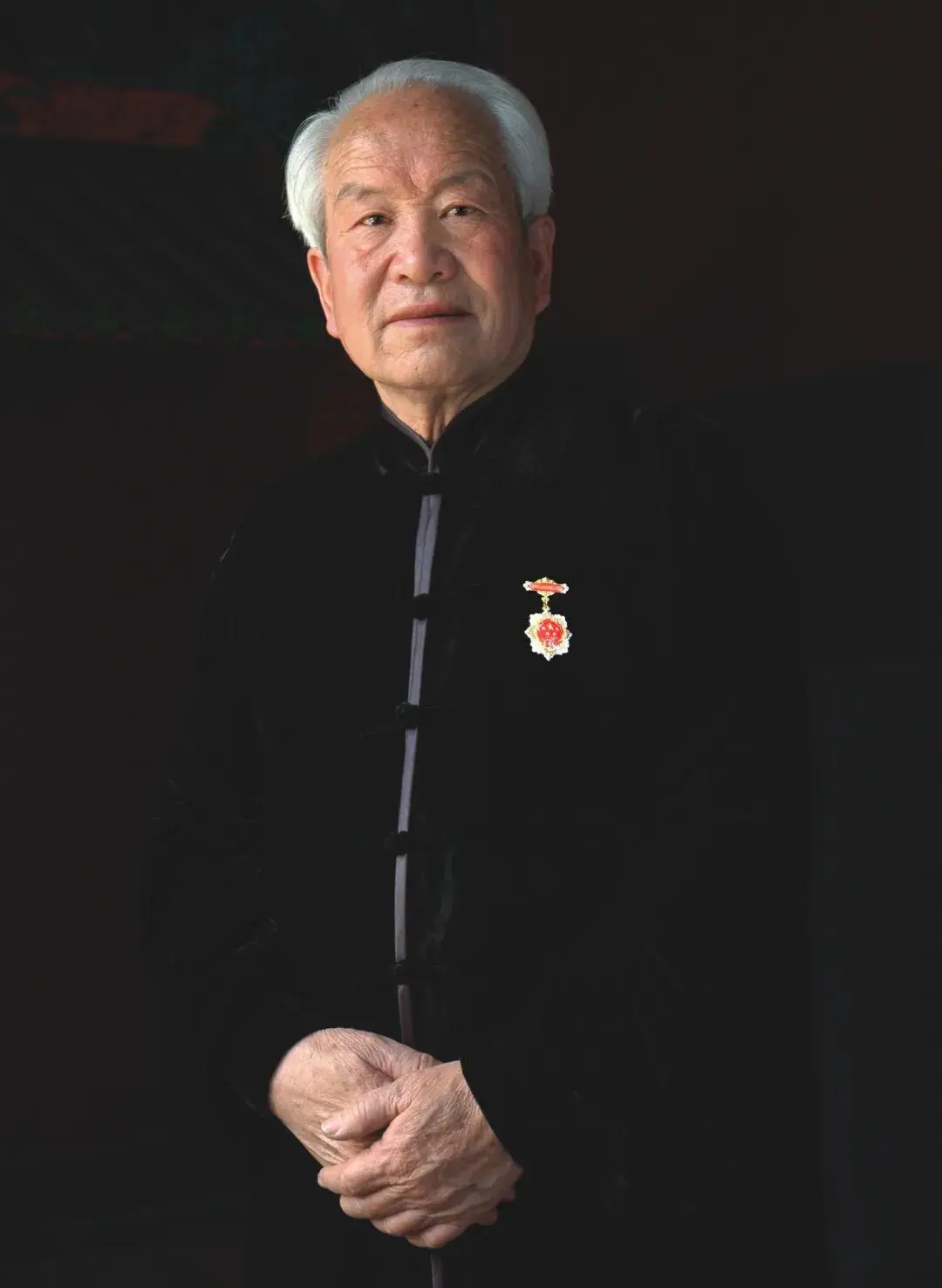
It is with heavy hearts that we mark the passing of Grandmaster Liang Yiquan (梁以全), who died peacefully on September 14, 2026 — the fourth day of the eighth lunar month — at the age of 97. The announcement came late yesterday from the Dengfeng Shaolin Wushu Association, where Master Liang served as lifetime honorary chairman.
For members less familiar with the Chinese wushu world, let me put his credentials in plain terms. Master Liang was recognized as one of the "Ten Most Influential Wushu Masters of Contemporary China" and held the rank of Wushu 9th Duan — the highest grade in the Chinese Wushu Duan-level ranking system, awarded to only a handful of living elders at any time. He was a National Senior Wushu Coach, a member of the expert committee at the Wushu Research Institute, and a recipient of the State Council's special government allowance. If you want a single sentence: this was the highest generation of Shaolin transmission still walking among us, and now it is gone.
His life reads like the modern history of Shaolin itself. Born into a martial arts family in Dengfeng, he learned from his father as a boy and later took the Shaolin monk Zhenxu as his teacher, devoting himself to orthodox Shaolin hand forms, weapons, combat technique, and the smaller cultivation methods passed down inside the temple walls — the living lineage described in our overview of Shaolin Kung Fu and its heritage.
He began his working life in 1948 as a village schoolteacher, quietly organizing student wushu troupes at a time when public martial arts practice was not always welcome. In 1981, while with the Dengfeng sports commission, he founded what is recognized as China's first professional wushu school — the Dengfeng Shaolin Wushu Sports School, the institution that grew into today's Shaolin Epo Wushu School — serving as its president and head coach.
He was still competing in his late fifties, winning a gold medal for Henan at the 1988 national competitions, and that same year received an International Wushu Contribution Award. Between 1981 and 2013 he authored or co-authored book after book — introductions, research, fist-code collections, teaching curricula — published in both Chinese and English, along with more than twenty papers and several documentary films. Long before "Shaolin" became a global brand, he put it on paper, on film, and into a school system that has trained generations of students from Henan and from abroad.
The association's obituary called him one of the principal founders of contemporary Shaolin transmission — a man of wude (martial virtue) first, technique second. I think that is the part worth carrying for all of us, tai chi or Shaolin: institutions fade, students forget the forms, but the way a teacher conducted himself is what actually gets inherited.
He joins a long line of martial artists we have mourned in this forum recently — we said goodbye to Yuen Cheung-yan this spring, and Li Zhendong before that, though Master Liang leaves at 97 with a full circle completed.
Rest in peace, Master Liang. If you trained in Dengfeng, or learned from someone who did, please share your connection to his lineage below.