Hey there! Have you ever wondered what makes some Tai Chi styles feel so effortlessly powerful? Today, we're diving into Wang Qihe Tai Chi – a beautiful, flowing style that’s more than just slow movements. It's a living heritage, recognized as a national treasure in China and even inscribed on UNESCO’s Intangible Cultural Heritage list.
At Tai Chi Wuji, we believe true martial arts connect body, mind, and spirit. Wang Qihe style embodies this perfectly. It’s not about rigid forms or brute force. Instead, it’s built on three core ideas: Relaxation (Song), Softness (Rou), and Mindful Awareness (Zhi Jue).
Think of it as learning to move like water – soft and adaptable, yet capable of wearing down stone.
In this post, we’ll explore where this style came from, why its “soft” approach is so effective, and how its principles can benefit your modern life.
Let’s begin the journey.
The Story Behind the Style: From Village Master to World Heritage
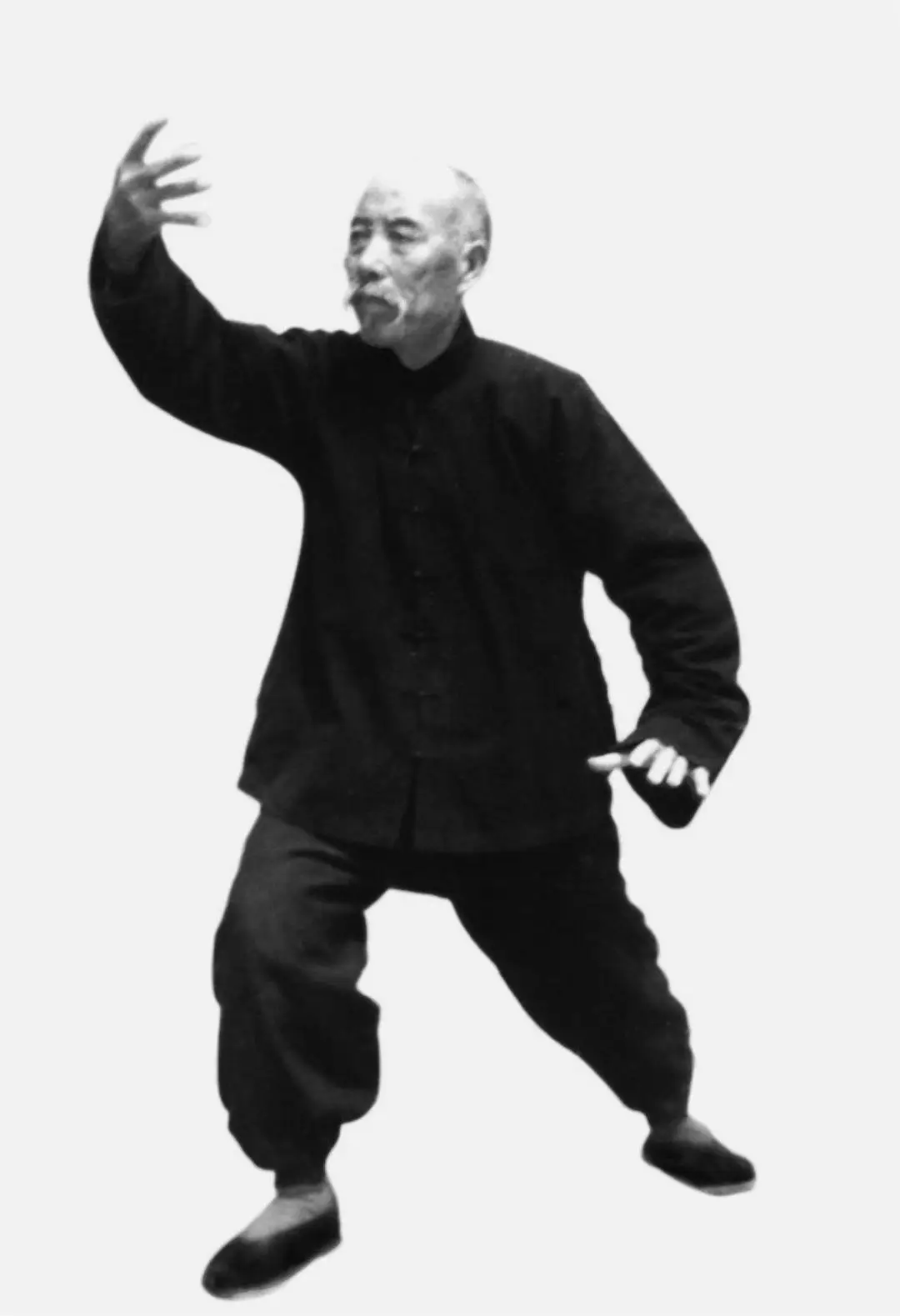
Every great art has a beginning. Wang Qihe Tai Chi was developed in the early 20th century by Master Wang Qihe in Xingtai, Hebei province. He was a dedicated martial artist who studied two major Tai Chi families: the Yang style and the Wu style.
But Master Wang Qihe didn't just copy what he learned. He became a master blender. He took the large, flowing postures of Yang style and combined them with the compact, precise structure of Wu style. The result? A unique system that feels incredibly smooth yet is packed with internal strength.
For decades, it was passed down within families and villages. Its value was so clear that in 2014, it was listed as a Chinese National Intangible Cultural Heritage. The global community took note too, and in 2020, it was honored as part of "Taijiquan" on the UNESCO Representative List. This isn't just a workout; it's a protected piece of human culture.
Why does this history matter to you? Because when you practice Wang Qihe, you’re not just doing exercises. You’re touching a living history of refinement and wisdom. You're learning a system that was tested and perfected for real-world balance and health.
The Core of the Practice: Relaxation, Softness, and Awareness
So, what does it actually feel like to practice? Let's break down those three core principles. At Tai Chi Wuji, we see these as the pillars of not just this style, but of effective internal martial arts practice.
Relaxation (Song) – The Foundation of Power
Forget what you know about "relaxing" on the couch. In Wang Qihe, Song means releasing unnecessary tension while maintaining perfect structure. It's like a willow tree: its branches are soft and yield to the wind, but its roots are deep and strong.
- It allows energy (or "qi") and blood to flow freely.
- It prevents stiffness, making your movements more efficient.
- It is the first step to developing true internal power, which comes from the core and ground, not just the muscles.
Softness (Rou) – The Path of Adaptation
Rou is about continuous, fluid motion without hardness. Movements are circular and connected, like pulling silk from a cocoon—smooth and unbroken.
- This softness trains your body to be resilient and responsive.
- It is the key to the famous Tai Chi concept of "using four ounces to deflect a thousand pounds."
- In daily life, it teaches you to adapt to challenges with grace instead of resistance.
Mindful Awareness (Zhi Jue) – Your Inner Guide
This is the secret ingredient. Zhi Jue is the heightened sensitivity you develop. It’s awareness of your own body's alignment, weight distribution, and energy. With a partner, it becomes "listening energy" – the ability to feel and respond to their force.
- It turns practice into a moving meditation.
- It sharpens your focus and calms a busy mind.
- It is essential for applying Tai Chi principles in push-hands or for self-defense.
Tai Chi Wuji Perspective: Many students chase complicated forms first. We believe in mastering these three core feelings first. When you build your practice on Song, Rou, and Zhi Jue, every movement becomes alive with purpose. It transforms from external choreography to an internal art.
Not Just Slow Motion: Practical Skills for Body and Mind
You might think, "It looks slow, how can it be practical?" The genius of Wang Qihe is that its gentle practice builds highly effective skills. Let's look at two key areas: health and practical application.
Building Health from the Inside Out
The slow, controlled nature of Wang Qihe makes it a perfect mind-body exercise. Science is catching up to what masters have known for centuries:
- Stress Relief: The combination of deep breathing, focused attention, and gentle movement lowers cortisol levels, promoting deep relaxation.
- Better Balance & Strength: The constant, subtle weight shifts strengthen stabilizer muscles and improve proprioception (your body's sense of itself in space), reducing fall risk.
- Joint Health: The low-impact, flowing motions lubricate joints and improve mobility without strain.
- Cardiovascular & Metabolic Benefits: Studies show regular practice can help manage blood pressure and blood sugar levels.
It’s preventative healthcare in motion, teaching your body to move in a balanced, integrated way.
The Logic of Self-Defense: Yielding and Redirecting
Wang Qihe is a martial art. Its power is intelligent, not aggressive. It follows the principle of "Yielding to Overcome".
- Don't Meet Force with Force: If someone pushes you, you don't push back. You turn your waist, step aside, and let their force go past you.
- Use Their Momentum: Techniques like "Grasp Sparrow's Tail" (Peng, Lu, Ji, An) are all about attaching to an opponent's force, guiding it off its target, and then adding your own energy to their imbalance.
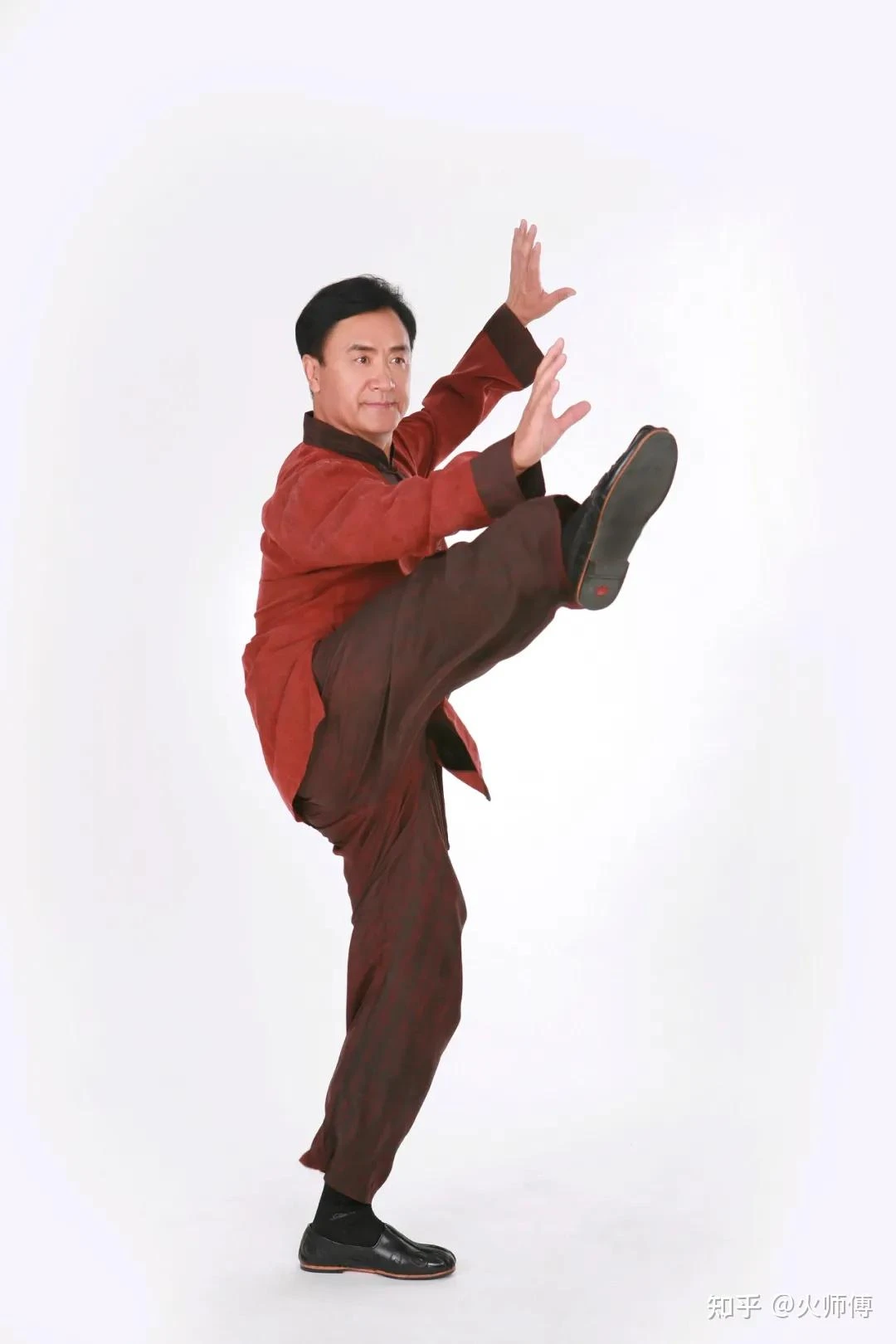
- Rooting and Fajin: The relaxed stability ("rooting") allows you to generate short, explosive power (Fajin) from the ground up, often demonstrated in movements like "Golden Rooster Stands on One Leg."
A Classic Story: It's said that Master Wang Qihe's son, Wang Jingfang, was once challenged by a much larger, stronger martial artist. Instead of clashing, Wang Jingfang used subtle turns and redirects until the opponent was off-balance, then issued a concise burst of energy that ended the confrontation. This is the art in action: calm, efficient, and controlled.
Why Wang Qihe Forms Work: Structure, Flow, and Daily Practice
So, we’ve talked about the philosophy—the why behind Wang Qihe’s power. Now let’s get into the how. How do you turn ideas like “softness” and “awareness” into actual movement? The answer lies in its forms (taolu), the pre-arranged sequences that are the heart of practice.
Think of forms as a moving encyclopedia. Each posture is a “word,” and the sequence is a “sentence” teaching you a lesson in balance, mechanics, and energy flow. Wang Qihe offers a range of forms, from the comprehensive 84-Step traditional form to accessible routines like the 38-Step and 24-Step versions.
At Tai Chi Wuji, we see forms not as a performance, but as a laboratory. It’s your personal space to experiment with the core principles without the unpredictability of a partner. It’s where you build your “body memory” of relaxation and structure.
Key Characteristics of Wang Qihe Movement
When you watch this style, you’ll notice distinct features that make it effective:
- ‘Standing Palm Like a Knife’ (Li Zhang Ru Dao): The hand isn’t limp. There’s a gentle, supportive extension from the wrist to the fingertips, which helps align the arm and channel force.
- ‘Steps Follow the Body’ (Bu Sui Shen Huan): Footwork isn’t separate. Your feet move naturally to support your torso’s rotation and weight shifts, maintaining balance at all times.
- Even, Steady, Slow, and Smooth: The rhythm isn’t random. This consistent pace is what builds internal awareness, leg strength, and true body control.
Let’s break down how a beginner can approach this.
Your Pathway to Practice: Starting with Wang Qihe
Feeling inspired to try? The beauty of this system is its scalability. You can start simple and go as deep as you want. Here’s a practical pathway.
Step 1: Begin with the Essentials (The 24-Step Form)
The simplified 24-Step form is the perfect gateway. It contains the most important postures and transitions from the traditional system, stripped down to their essence.
How to approach it:
- Don’t memorize all at once. Learn 2-3 moves per week. Quality over quantity.
- Focus on one principle at a time. One day, just check if your shoulders are relaxed. Another day, focus on keeping your movements smooth.
- Use mirrors or video. Self-feedback is crucial. Check your alignment against instructional videos.
Step 2: Cultivate the Foundational Feelings
Before making the form longer, make it richer. Use the 24-Step as your training ground for the core principles:
- Finding ‘Song’ (Relaxation): As you move, constantly scan for tension—in your jaw, your neck, your shoulders. Consciously let it go. Imagine your joints are oiled.
- Finding ‘Rou’ (Softness): Avoid all jerky motions. Practice reversing direction without stopping. Visualize moving through warm water.
- Finding ‘Zhi Jue’ (Awareness): Close your eyes for parts you know well. Can you feel where your weight is? 70% on the left foot? 50/50? This internal focus is key.
Step 3: Deepen with Tools and Partners
Once the solo form feels comfortable, you can expand your practice:
- Push-Hands (Tui Shou): This two-person exercise is where theory meets reality. It gently trains your “listening energy” and teaches you to yield and redirect a partner’s force. It’s the bridge between form and application.
- Weapons Practice (e.g., Tai Chi Jian - Sword): Weapons like the straight sword are not for combat today. They are advanced tools for refinement. The weight and length of the sword magnify any error in your body’s coordination, forcing you to move with even greater precision and whole-body unity.
Beyond the Mat: A Philosophy for Modern Life
The ultimate goal of Wang Qihe Tai Chi isn’t just to perform a beautiful form. It’s to let the principles seep into your daily life. This is what we at Tai Chi Wuji call "Carrying Tai Chi Off the Mat."
- Facing Stress at Work? Instead of tightening up (a fight-or-flight response), remember Song. Take a deep breath, relax your shoulders, and respond from a place of calm awareness (Zhi Jue), not reactive tension.
- A Difficult Conversation? Instead of meeting verbal force with force (an argument), remember Rou and yielding. Listen fully, acknowledge the other person’s energy, and then guide the conversation toward balance. It’s interpersonal push-hands.
- Feeling Unbalanced or Anxious? Stand with the basic Wuji or Opening Posture for 5 minutes. Root your feet, align your spine, and breathe deeply. It’s a portable reset button for your nervous system.
Conclusion: The Enduring Power of Wang Qihe Tai Chi
Wang Qihe Tai Chi is more than a historical Chinese martial art. It is a proven system for integrated well-being, a practical study in mindful movement, and a living tradition of internal power. Its journey from the villages of Hebei to UNESCO’s world heritage list proves its timeless value.
Its core message is profound yet simple: True strength is born from relaxation, not tension. Resilience comes from adaptability, not rigidity. And awareness is the most powerful tool we possess.
Whether your goal is to improve your physical health, find mental calm, explore a rich cultural art, or understand practical self-defense principles, the Wang Qihe system offers a complete path. It teaches you to move through life with the grace of flowing water and the stability of a deep-rooted tree.
Ready to experience this flow for yourself? The journey begins with a single, mindful step.
Explore our [Beginner’s Guide resources] or find a qualified instructor in your area to start unlocking the relaxed power (Song Jin), fluid softness (Rou Xing), and deep awareness (Zhi Jue) that define this remarkable art. The practice of Wang Qihe Taijiquan is waiting for you.
Frequently Asked Questions About Wang Qihe Tai Chi
What makes Wang Qihe Tai Chi different from other styles like Yang or Chen?
Wang Qihe is a blended style, uniquely combining the large, flowing frames of Yang style with the compact, precise structure of Wu style. Its signature focus is on cultivating three core internal skills: deep relaxation (Song), fluid softness (Rou), and mindful body awareness (Zhi Jue). This makes it exceptionally effective for both health cultivation and understanding internal martial arts principles.
I’m a complete beginner. Is Wang Qihe a good style to start with?
Absolutely. The style offers accessible entry points like the 24-Step simplified form, which is designed for newcomers. At Tai Chi Wuji, we emphasize learning the core “feelings” of relaxation and awareness from the start, which builds a strong foundation for any Tai Chi practice. Starting with a qualified instructor is highly recommended.
Can Wang Qihe Tai Chi really help with stress and back pain?
Yes, and this is one of its greatest strengths. The practice’s emphasis on releasing tension (Song) and improving postural alignment directly addresses the root causes of many stress-related ailments and chronic pain. The slow, mindful movements strengthen the core and back muscles gently, improve circulation, and calm the nervous system, promoting overall relief and resilience.
Does it have practical self-defense applications?
es, Wang Qihe is a complete martial art. Its practical effectiveness is based on intelligent body mechanics rather than brute strength. Through practices like push-hands (Tui Shou), you learn the core principle of yielding and redirecting force, using an opponent’s momentum against them. The forms contain postures that teach balance-breaking, leverage, and the development of short, explosive power (Fajin) from a relaxed state.
How can I find a qualified Wang Qihe teacher or learning resources?
The best way is to seek out accredited schools or instructors within the recognized lineage. You can look for associations dedicated to preserving Wang Qihe Tai Chi. Tai Chi Wuji also provides carefully curated [Beginner’s Guides and tutorial insights] based on these traditional principles to support your journey. Always check an instructor’s background and lineage for authentic teaching.