Core Idea: Qigong Therapy isn't just slow exercise; it is a clinical Traditional Chinese Medicine (TCM) technique that combines body, breath, and mind to activate your body's "self-organizing repair function." It is a powerful tool for managing chronic pain, anxiety, and insomnia.
Do you ever feel like your body is fighting against you?
Maybe it’s that nagging lower back pain that won’t quit. Perhaps it’s the anxiety tightening your chest at 3 AM, or just a general sense of fatigue that coffee can’t fix. You aren't alone. In our fast-paced modern world, we often treat our bodies like machines—fixing parts only when they break.
But Tai Chi Wuji believes in a different approach. We believe your body holds an innate wisdom, a capability to heal itself if given the right instructions.
Enter Qigong Therapy (also known as Medical Qigong).
This isn't just about waving your arms in the park. It is a systematic, evidence-based branch of TCM Energy Medicine. By the end of this guide, you will understand exactly how this ancient practice works, the science behind it, and how you can safely use it to reclaim your health.
What Exactly is Qigong Therapy?
Let’s cut through the mysticism.
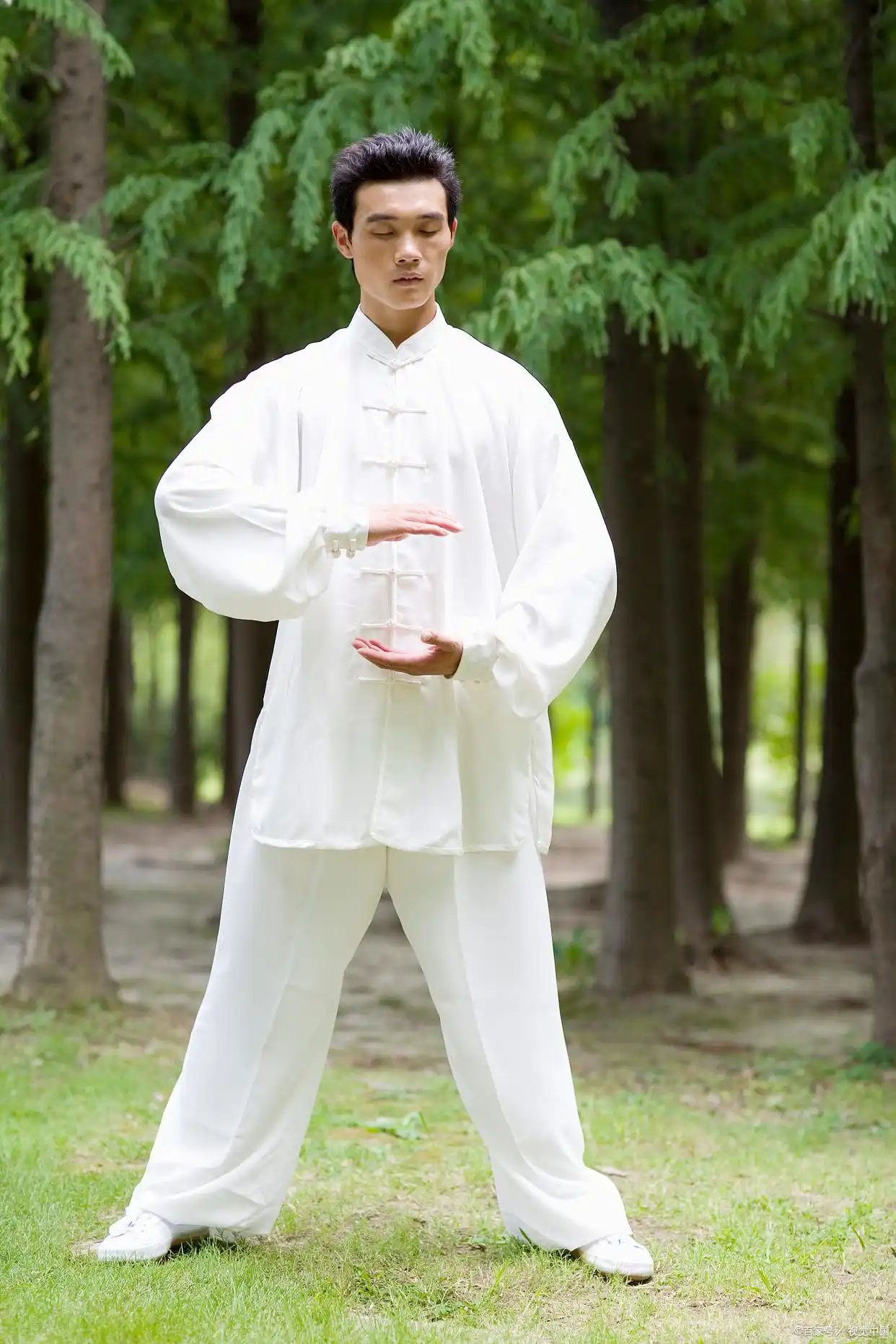
Qigong Therapy is a clinical technique rooted in Traditional Chinese Medicine. Unlike general fitness exercises, it focuses on a specific triad: regulating the body, regulating the breath, and regulating the mind.
Think of it as a software update for your nervous system.
According to clinical definitions, it aims to trigger the human body's "self-organizing repair function." When you practice, you aren't just burning calories; you are optimizing your internal environment. This makes it incredibly effective as an auxiliary treatment for:
- Chronic Pain (Back pain, arthritis)
- Psychosomatic Disorders (Anxiety, depression)
- Sleep Issues (Insomnia)
- Metabolic Issues (Hypertension, diabetes)
The Tai Chi Wuji Perspective
We often see students rush to learn complex movements. However, at Tai Chi Wuji, we emphasize that internal intent matters more than external shape. Qigong is not a performance; it is a conversation with your own physiology.
Key Takeaway: Medical Qigong is a deliberate health intervention, not just a hobby.
The "Secret Sauce": The Three Regulations (San Tiao)
How does Qigong Healing actually work?
You can't just stand there and hope for the best. Authentic Qigong relies on a unified method called San Tiao (The Three Regulations). These three elements must work together simultaneously. If you miss one, you are just doing callisthenics.
1. Regulating the Body (Tiao Shen)
This is the foundation. You must adjust your physical posture—whether lying down, sitting, standing, or walking—to meet a state of "physiological naturalness."
- The Goal: To relax the muscles and open the pathways for Qi (energy) and blood flow.
- In Practice: If you are standing, your feet should be shoulder-width apart, knees slightly bent (never locked!). If sitting, keep your spine upright but not stiff.
- Why it matters: You cannot relax your mind if your body is fighting gravity. Proper alignment reduces physical stress instantly.
2. Regulating the Breath (Tiao Xi)
Most of us breathe shallowly into our chests. Qigong trains you to switch to Abdominal Breathing (diaphragmatic breathing).
- The Goal: To push "True Qi" (Zhen Qi) through the body and massage the internal organs.
- The Technique: Inhale deeply, expanding your belly like a balloon. Exhale slowly, letting the belly contract.
- The Science: This type of breathing stimulates the Vagus Nerve, shifting your body from "Fight or Flight" (sympathetic) to "Rest and Digest" (parasympathetic).
3. Regulating the Mind (Tiao Xin)
This is the hardest part for modern people. It involves "adjusting the intent."
- The Goal: To eliminate distracting thoughts and achieve psychological balance.
- The Technique: You focus your mind on a specific point (like the Dantian) or a sensation (like warmth flowing through your arms).
- The Result: When the mind settles, the body follows. This is where Mind-Body Exercises truly shine in treating anxiety and insomnia.
A Practical Example: The "Three-Line Relaxation" Method
Theory is great, but practice is better.
One of the most effective techniques recommended by expert sources (including the China Medical Qigong Society) is the Three-Line Relaxation Method. This is a classic example of using the mind to relax the body.
You can try this right now, sitting in your chair.
How to Practice (Step-by-Step)
Preparation (02:09):
Sit comfortably. Close your eyes gently. Place your hands on your lap. Breathe naturally.
Line 1: The Side Line (05:02)
- Focus: Direct your attention to the sides of your head.
- Action: Mentally scan and relax downwards: Ears -> Neck -> Shoulders -> Arms -> Hands -> Fingers.
- Feel: Imagine tension melting away like ice in warm water.
Line 2: The Front Line (05:02)
- Focus: Your face.
- Action: Relax downwards: Face -> Throat -> Chest -> Abdomen -> Thighs -> Shins -> Toes.
- Feel: Feel your chest open and your belly soften.
Line 3: The Back Line (05:02)
- Focus: The back of your head.
- Action: Relax downwards: Occiput -> Neck -> Upper Back -> Lower Back -> Glutes -> Hamstrings -> Heels.
- Feel: Feel your spine decompressing.
The Cycle (08:05):
Repeat this cycle. If your mind wanders, gently bring it back to the body part you are relaxing. Finish by bringing your attention to your navel (Dantian) for a few moments before opening your eyes.
Is Qigong Therapy Safe? (The Reality Check)
Before we dive deeper into specific chronic diseases in the next section, we need to address safety. Tai Chi Wuji values transparency.
While Qigong is gentle, Medical Qigong involves powerful internal changes.
- Professional Guidance is Key: According to regulations, true Medical Qigong treatments should be provided by qualified institutions (like TCM hospitals) or certified practitioners.
- Not a Replacement: Qigong is an auxiliary therapy. It supports standard medical treatment; it does not replace it. If you have an acute illness or a structural organic disease, see your doctor first.
- Avoid "Wellness Centers" for Medical Advice: General wellness spas are great for relaxation, but they are not qualified to treat diseases with Qigong.
Warning: Just like you wouldn't take random medication, don't practice advanced internal energy techniques without a teacher. Incorrect practice can lead to "Qigong Deviation" (physical or mental discomfort).
The Science Behind the Magic: Why Qigong Works
You might be thinking: "This sounds nice, but is there any proof?"
It is a fair question. For a long time, Qigong Healing was dismissed as mystical folklore. But modern research is finally catching up, validating what masters have known for centuries.
At Tai Chi Wuji, we love the tradition, but we respect the data. Here is what happens inside your body when you practice.
1. Flipping the Nervous System Switch
The most immediate benefit of Qigong is its impact on the autonomic nervous system.
Most of us live in a chronic state of low-level stress (Sympathetic dominance). This floods our bodies with cortisol, raises blood pressure, and ruins sleep. The combination of Abdominal Breathing and mental focus in Qigong acts as a manual override.
- The Mechanism: It activates the Parasympathetic Nervous System (the "Rest and Digest" mode).
- The Result: Heart rate slows, blood pressure drops, and your body shifts resources from "survival" to "repair."
2. Improving Microcirculation
Chinese medicine says, "Where Qi goes, blood flows." Science calls this improving Microcirculation.
Research suggests that the "tingling" or warmth you feel during practice (often called De Qi) is linked to the dilation of capillaries. This allows oxygen and nutrients to reach deep tissues that are usually starved due to tension or stress.
3. Neuroendocrine Regulation
This is the heavy lifting. Medical Qigong has been shown to regulate the neuroendocrine system. By balancing hormones and neurotransmitters, it helps stabilize mood and metabolic functions. This is why it is so effective for Qigong for anxiety and depression.
Scientific Insight: Studies indicate that regular practice can lower systolic blood pressure by 5-15 mmHg in hypertensive patients by regulating these internal systems.
Which Style is Right for You? (The Qigong Menu)
Not all Qigong is the same. Different "forms" act like different prescriptions. You wouldn't take an aspirin for a broken leg, right? Similarly, you need to choose the right Qigong techniques for your specific condition.
Here is a breakdown based on clinical recommendations:
1. Tai Chi (The Balancer)
While often considered a martial art, Tai Chi is a top-tier Mind-Body Exercise.
- Best for: High Blood Pressure, Diabetes, and Frailty in the elderly.
- Why: The slow, continuous, spiral movements act like a gentle pump for the cardiovascular system without straining the heart. It also significantly improves insulin sensitivity.
2. Baduanjin (Eight Silken Brocades)
This is one of the most popular sets for a reason. It is simple, effective, and targeted.
- Best for: Digestive issues (Gastritis), Metabolic balance, and general stiffness.
- Key Move: "Holding the Heavens to Regulate the Triple Burner" helps open the chest and abdomen.
- Pro Tip: For chronic gastritis, practicing 30 minutes after a meal (low intensity) works wonders.
3. Yi Jin Jing (Muscle/Tendon Change Classic)
- Best for: Chronic Pain, Musculoskeletal issues, and low stamina.
- Why: It focuses on stretching the fascia and tendons. If you have back pain or tight shoulders, this is your go-to.
4. Wu Qin Xi (Five Animals Play)
- Best for: Joint flexibility and specific organ tuning.
- Fun Fact: The "Bear" movement is excellent for digestion (spleen/stomach), while the "Bird" opens the lungs.
5. Guigen Qigong
Recommended by the China Medical Qigong Society, this style focuses on returning to the "root."
- Best for: Deep relaxation and resetting the body's energy reserves.
Chronic Disease Management: Specific Protocols
Let’s get specific. If you are dealing with a chronic condition, here is how Qigong for Chronic Illness applies to you.
For Cancer Survivors
- The Goal: Functional recovery and symptom management.
- The Evidence: Research shows Qigong Healing can alleviate side effects of chemotherapy, such as fatigue and nausea. It improves sleep quality and, crucially, boosts the immune system's ability to fight recurrence.
- Note: It is complementary therapy. It helps you fight the battle; it doesn't replace your oncologist.
For Parkinson’s and Stroke Rehab
- The Goal: Motor control and balance.
- The Evidence: Personalized Qigong protocols have shown better long-term results than routine rehab exercises alone for upper and lower limb function. The mental focus component helps rewire the brain (Neuroplasticity).
For Mild Cognitive Impairment (MCI)
- The Goal: Brain health.
- The Evidence: Multi-modal interventions (combining Qigong with music or meditation) have been proven to improve memory, executive function, and spatial reasoning.
For Hypertension (High Blood Pressure)
- The Protocol: Focus on Tai Chi or Song Jing (Relaxation and Stillness) exercises.
- Why: You want to route energy downwards (to the feet) to relieve pressure in the head.
- Caution: Avoid movements that require holding breath or straining, as these can spike pressure.
Customize Your Cure: Matching Qigong to Your Body Type
One size does not fit all in Traditional Chinese Medicine.
Just as you have a unique fingerprint, you have a unique "Constitution" (Body Type). A practice that energizes your friend might leave you feeling drained if it doesn't match your internal landscape.
At Tai Chi Wuji, we encourage you to listen to your body. Here is a simple framework to help you decide where to start.
The 4-Type Quick Assessment
| Body Constitution | Typical Signs | Recommended Practice | Key Goal |
|---|---|---|---|
| Qi Deficiency (Low Energy) | Easily tired, short of breath, quiet voice, catches colds easily. | Five Animals (Bird) or Six Healing Sounds (Hu) | Tonify Qi: Focus on breath regulation to build lung capacity and energy reserves. |
| Yang Deficiency (Cold Type) | Cold hands/feet, fear of cold, pale complexion, lethargic. | Baduanjin (Eight Brocades) | Warm Yang: Active, dynamic movements to generate internal heat. |
| Yin Deficiency (Hot Type) | Dry mouth/skin, night sweats, restless sleep, easily agitated. | Six Healing Sounds (Xu) or Static Meditation | Nourish Yin: Gentle, calming movements to cool and moisten the system. |
| Phlegm-Dampness (Heavy Type) | Feeling heavy/sluggish, overweight, sticky tongue coating. | Five Animals (Bear) | Clear Dampness: Movements that stimulate digestion and metabolism. |
Note: If you generally feel balanced (Neutral Constitution), you are free to explore any form that appeals to you!
A Beginner’s Guide: Your First "Prescription"
Ready to start? You don't need a mountain retreat or silk robes. You just need a small space and the right mindset.
Here is a safe, effective routine designed for Qigong for beginners. This sequence follows the "Three Regulations" principles we discussed earlier.
Phase 1: Preparation (The Setup)
- Environment: Find a quiet spot with good ventilation. Fresh air is vital for Breath Regulation.
- Timing: Ideally, practice 30-60 minutes after a meal. Avoid practicing when you are starving or overly full.
- Clothing: Wear loose, comfortable clothes that don't restrict your waist or joints.
Phase 2: The Practice (15-20 Minutes)
1. Warm-up (Joint Loosening)
- Gently rotate your ankles, knees, hips, shoulders, and neck.
- Shake your hands loosely to release tension.
2. The Main Event: "Lifting The Sky" (From Baduanjin)
This single move is excellent for everyone.
- Stand with feet shoulder-width apart, arms at your sides.
- Inhale: Slowly raise your hands up the center line, interlacing fingers. Turn palms up and push towards the sky. Look up gently.
- Hold: Pause for a second, feeling the stretch through your torso.
- Exhale: Release the fingers and sweep your arms down in a wide circle back to your sides.
- Repeat: Do this 6-8 times. Focus on the rhythm: Rise with the breath, sink with the relaxation.
3. Static Standing (Zhan Zhuang)
- Stand still for 2-5 minutes.
- Hold your arms in front of your chest as if hugging a large tree.
- Mind Regulation: Focus on your Dantian (lower belly). Imagine you are rooted into the earth like a tree.
Phase 3: Closing (Shou Gong)
Never just stop and walk away. You need to "seal" the energy.
- Rub your palms together until they are hot.
- Massage your face ("washing the face with Qi").
- Pat down your arms and legs gently.
- Take three deep, settling breaths.
Vital Safety Guidelines (Read Before Practicing)
We cannot stress this enough: Safety first.
While Qigong Therapy is low-impact, it is deep work. To avoid dizziness, fatigue, or "energy deviation," follow these golden rules:
- The "Slight Sweat" Rule: Stop when you break a light sweat. If you are dripping with sweat, you have overdone it and depleted your Qi instead of building it.
- Listen to the Stop Signals: If you feel dizzy, have heart palpitations, or feel tightness in your chest—STOP immediately. Sit down and breathe naturally.
- Don't Force the Breath: Your breathing should be quiet, soft, and natural. Never hold your breath forcefully.
- Consult Your Doctor: If you have severe heart disease, mental health disorders, or are in an acute infection phase, consult a specialist before starting.
Conclusion: Your Journey to Self-Healing Starts Now
We have covered a lot of ground. From the ancient wisdom of the Three Regulations to the modern science of neuroplasticity and microcirculation.
If there is one thing to take away from this guide, it is this: Qigong Therapy is not a magic pill. It is a practice. It is the daily commitment to tuning your instrument—your body—so it can play the music of health.
Why This Matters for You
In a world where we are increasingly disconnected from our physical selves, Medical Qigong offers a path back home.
- It empowers you to take an active role in your own recovery.
- It provides a drug-free tool to manage chronic pain, anxiety, and fatigue.
- It bridges the gap between physical exercise and mental meditation.
Whether you are a cancer survivor looking to rebuild strength, a busy executive fighting hypertension, or simply someone who wants to age with grace and vitality, the door is open.
Your Next Steps
Don't let this be just another article you read and forget. Action is where the magic happens.
- Start Small: Try the Three-Line Relaxation method tonight before bed.
- Be Consistent: 15 minutes a day is better than 2 hours once a week.
- Find a Teacher: While videos are great, nothing beats personal correction. Look for qualified TCM Energy Medicine practitioners or join our Tai Chi Wuji community for guidance.
Final Thought: Your body has an incredible capacity to heal. Sometimes, it just needs you to stop, breathe, and listen.
Ready to dive deeper?
Explore our library of Qigong for Chronic Illness tutorials, or sign up for our newsletter to get weekly tips on mastering your Qi.
Health is not a destination. It is a way of life. Walk it with us at Tai Chi Wuji.
Frequently Asked Questions About Qigong Therapy
What is the difference between Qigong and Tai Chi?
Think of Qigong as the umbrella term for all Chinese energy work, and Tai Chi as a specific, sophisticated form of Qigong. Qigong Therapy often involves repetitive, individual movements designed to target specific organs or meridians (e.g., for Lung health or Digestion). It is generally easier to learn. Tai Chi is a martial art that links movements into a long, complex choreography. It focuses heavily on balance, weight shifting, and martial application, making it excellent for fall prevention in seniors.
Can Qigong help with Fibromyalgia and Autoimmune diseases?
Yes. Emerging research suggests that Medical Qigong is a gentle, non-invasive way to manage chronic fatigue and fibromyalgia pain. Because it is low-impact, it doesn't trigger the "crash" that intense exercise often causes in autoimmune patients. It works by reducing systemic inflammation and calming the overactive nervous system associated with these conditions.
What is "Qigong Deviation" (Zouhuorumo), and should I be worried?
"Qigong Deviation" (often translated as "entering demons") refers to physical or mental discomfort caused by incorrect practice—usually from forcing the breath or obsessing over visualizations. To stay safe: Stick to external forms like Baduanjin or Wuqinxi. Avoid complex "internal alchemy" or forceful breathing techniques unless you are under the direct supervision of a qualified Qigong Master. If you feel pressure in your head or chest, stop and walk around.
How does Qigong compare to Yoga?
Both are ancient Mind-Body Exercises, but they work differently. Yoga often emphasizes stretching, holding static poses, and physical alignment to clear energy blocks. Qigong emphasizes flow, softness, and the continuous movement of Qi through the meridians. Qigong is often less physically demanding on the joints than Yoga, making it more accessible for the elderly or those with limited mobility.
What does "Qi" actually feel like?
When you achieve the state of De Qi (obtaining Qi), you might feel: A sensation of warmth or heat in the hands or abdomen. A tingling or "ant-crawling" sensation. A feeling of magnetic resistance between your palms. Scientifically, this is often attributed to increased peripheral blood flow, nerve stimulation, and the piezoelectric effect in your connective tissues.
Is Qigong suitable for weight loss?
While Qigong Therapy isn't a high-calorie burner like running, it aids weight loss indirectly but powerfully. By lowering cortisol (the stress hormone that causes belly fat storage) and improving metabolism through deep abdominal breathing, it addresses the hormonal root causes of weight gain.
Can Qigong cure cancer?
No. Qigong is an auxiliary therapy. It supports the body's immune function and improves quality of life, but it is not a standalone cure for cancer. Always follow your oncologist's treatment plan.
Is Qigong religious?
Medical Qigong is secular. It is based on TCM theory and physiology, not religion. Anyone of any faith (or no faith) can practice it.
How long does it take to see results?
For stress relief, results can be immediate. For chronic conditions like hypertension or digestive issues, expect to practice consistently for 3-6 months to see significant structural changes.