The Nunchaku: More Than Just a Weapon, a Cultural Bridge
Let's be honest. When you hear the word "nunchaku" (or as many call it, nunchucks), what's the first thing that comes to mind?
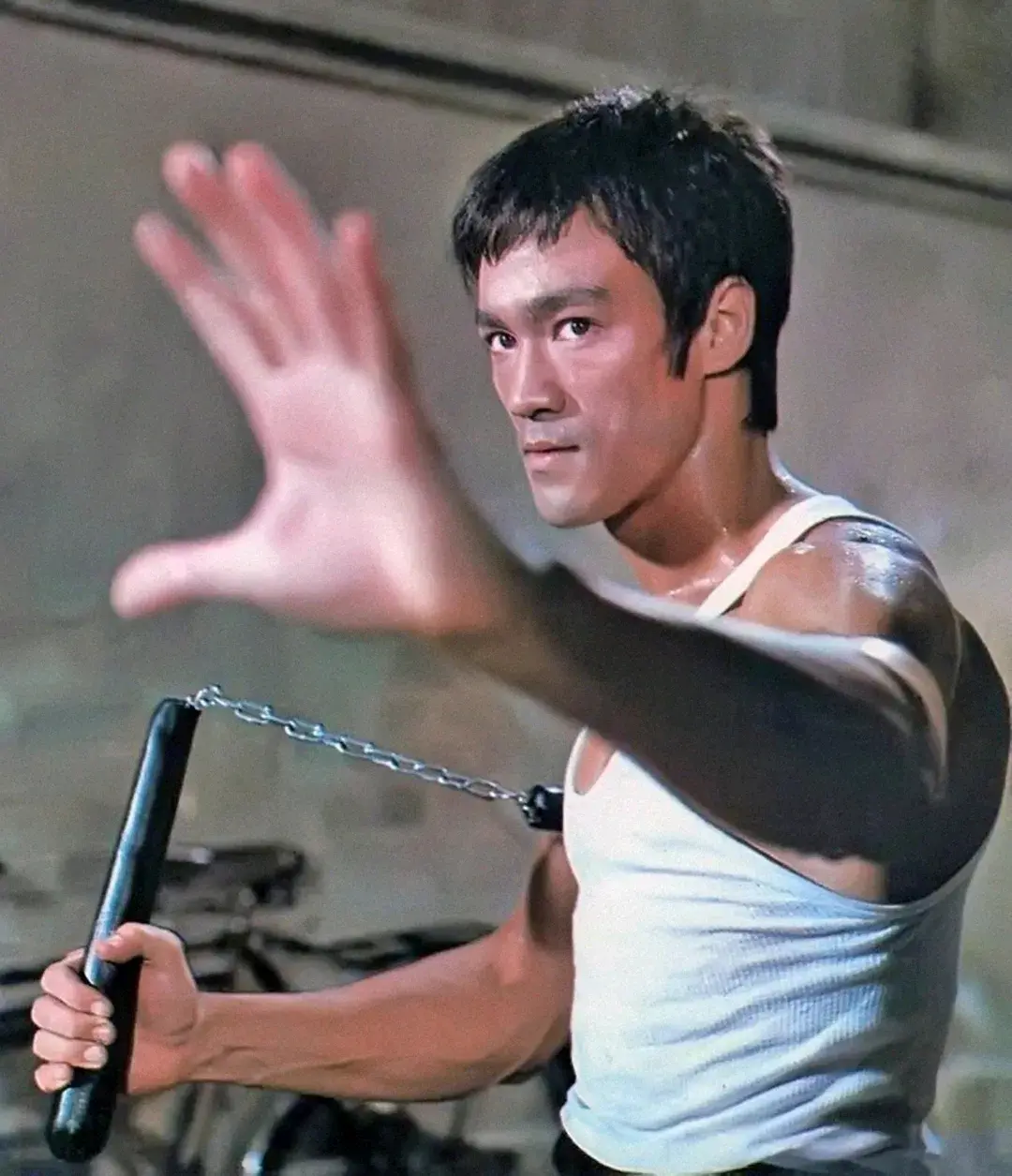
For most of us, it's a vivid image: the late, great Bruce Lee, moving with blinding speed, his nunchaku becoming a whirring extension of his own body. It's an icon of martial arts prowess, captured forever in film.
But what if I told you that this iconic weapon is so much more? It's not just a prop for action movies. The nunchaku is a fascinating bridge between:
- Ancient tradition and modern pop culture
- Deadly combat and beautiful artistry
- Eastern philosophy and global fitness
In this article, we'll explore the complete story of the nunchaku. We'll journey from its humble beginnings on Chinese farms to its status as a global symbol of discipline and skill.
Whether you're a curious beginner or a seasoned martial artist, there's always something new to discover about this incredible tool.
From Farm Tool to Bruce Lee's Hands: A Surprising History
The Humble Beginning: It Started with Grain
It might be hard to believe, but the ancestor of the nunchaku wasn't designed for fighting. It was designed for threshing.
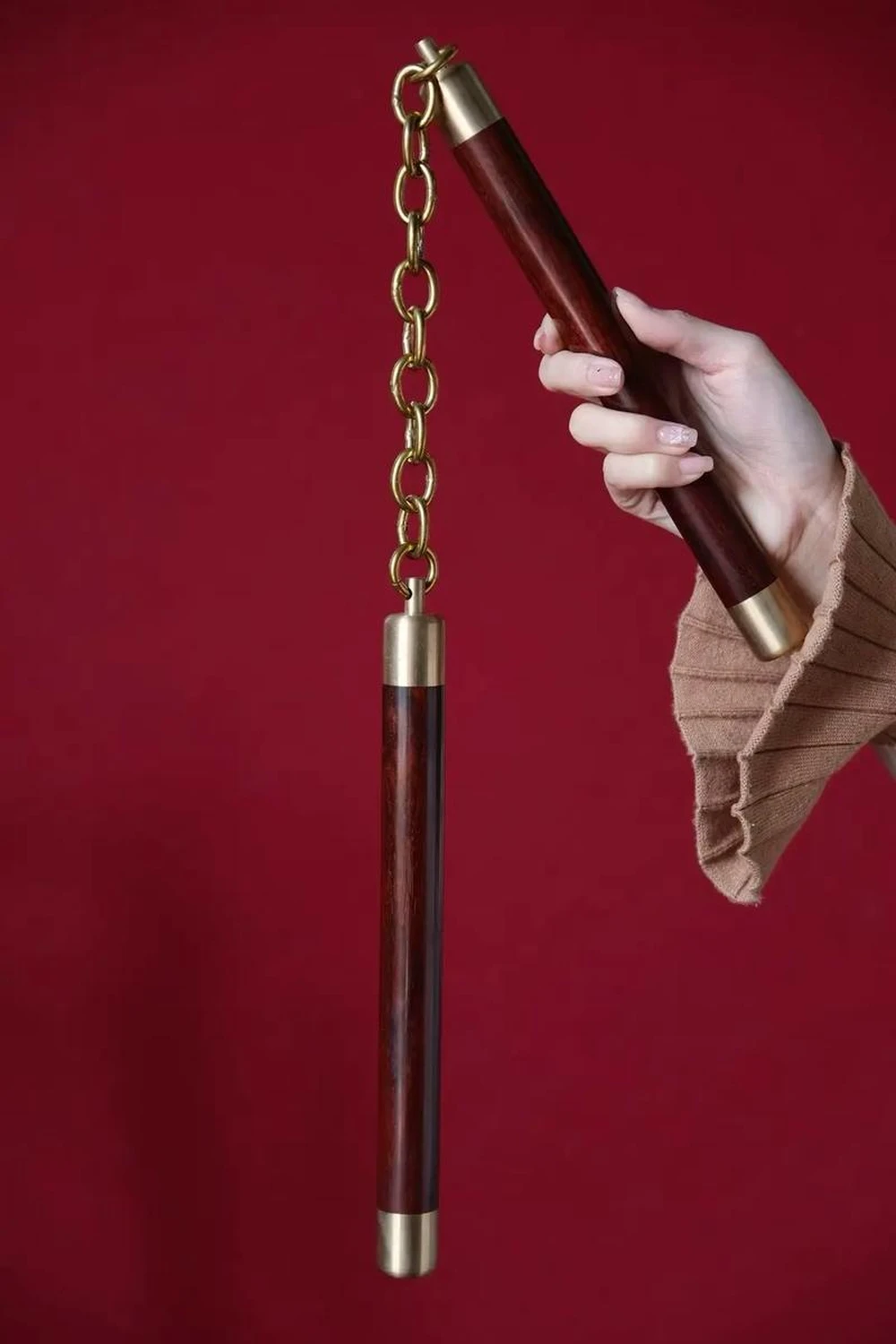
- The Original Tool: The nunchaku evolved from an ancient Chinese farm tool called the lián jiā (连枷), or "flail." Farmers used it to separate grains from their husks by swinging one stick to beat the piles of harvested crops.
- A Simple, Powerful Principle: This tool used a simple connection (a rope or chain) to create a powerful, swinging motion. This very same principle of centrifugal force is what makes the modern nunchaku so effective.
The agricultural flail (连枷) was the unexpected predecessor to the martial arts nunchaku.
The Battlefield Transformation
How did a farm tool become a weapon? Necessity. Ancient Chinese military strategists, including the philosopher Mozi, saw its potential.
- Adaptation for War: They documented a version called the "连挺" (Lián Tǐng), a larger, heavier flail used for defending city walls against attackers. It was perfect for striking enemies over fortifications.
- The Legend of the Emperor: A popular legend credits Song Dynasty Emperor Zhao Kuangyin with creating a weapon called the "Pan Long Gun" or "Dragon Pole." This version, with one long and one short section, was famously used to sweep enemy soldiers from their horses.
The core idea was the same: take a simple, effective concept and adapt it for survival and combat.
Going Global: The Okinawan Connection and the Bruce Lee Effect
The nunchaku's journey didn't stop in China. It spread, particularly to Okinawa, Japan, where it was refined and integrated into local martial arts (often called Kobudō).
The Japanese name "nunchaku" itself comes from this period.
But the single biggest moment in the nunchaku's global story came in the 20th century.
- The Lee Revolution: Bruce Lee, through his films like Fist of Fury and Enter the Dragon, didn't just use the nunchaku; he redefined it. He demonstrated its potential for speed, fluidity, and devastating power.
- A Global Sensation: Almost overnight, the nunchaku became a symbol of cool, a must-have item for martial arts enthusiasts worldwide. It was no longer a niche weapon but a global phenomenon, inspiring millions to pick up a pair for the first time.
The Art and Science of Wielding the Nunchaku
So, you've seen it in action and know its history. But what does it actually take to control this dynamic weapon? Let's break down the mechanics. It's a dance between physics, precision, and a whole lot of practice.
It’s All in the Wrist: The Physics of Flow
Forget brute force. The secret to the nunchaku isn't muscle; it's leverage and timing.
- Centrifugal Force is Your Engine: When you swing one stick, the force generated pulls the other stick into a rapid, powerful arc. This is the core of its power. You're not "muscling" the weapon; you're guiding its built-up energy.
- The Power of the "Sweet Spot": The very end of the stick moves the fastest and carries the most kinetic energy. A skilled user knows how to make the tip of the nunchaku land with pinpoint accuracy, maximizing impact.
- Momentum Management: The real challenge isn't hitting a target; it's controlling the stick after the hit, or when you miss. Learning to redirect this energy smoothly is what separates a novice from an expert.
Think of it like cracking a whip. The energy you put in at the handle translates to incredible speed at the tip.
Building Your Foundation: Core Moves Every Beginner Should Master
Before you try the flashy spins, you need to build a solid foundation. Here are the essential techniques that form the nunchaku's alphabet.
Basic Grips: How you hold it matters.
- Standard Grip: Holding one stick firmly, allowing the other to hang freely.
- Reverse Grip: A thumb-oriented hold that changes the angle of attack.
Fundamental Strikes (The "Power" Moves):
- Overhead Strike (Pī): A powerful, vertical strike coming straight down.
- Side Strike (Sǎo): A horizontal swing, ideal for targeting an opponent's side or limbs.
- Figure-8 (Lún Wǔ): The quintessential nunchaku move. A continuous, flowing pattern that builds momentum and serves as a transition between other strikes.
Basic Blocks & Controls:
- Body Rebound: Learning to safely bounce the stick off your own shoulder, bicep, or thigh to change its direction. This isn't a mistake; it's a fundamental control technique.
- Hand Transition: The simple (but crucial) act of passing the nunchaku from one hand to the other without stopping its flow.
*Mastering the Figure-8 pattern is the first step toward developing fluidity and control.*
Finding Your Style: Combat, Performance, and Fitness
Not everyone uses the nunchaku the same way. Over time, distinct styles have emerged to suit different goals.
1. Traditional / Combat Style
- Focus: Practical self-defense and efficiency.
- Characteristics: Direct, powerful, and simple movements. The goal is to end a threat quickly with a few well-placed strikes. There is little to no "flash."
2. Performance / Freestyle Style
- Focus: Aesthetics, creativity, and entertainment.
- Characteristics: This is where the nunchaku becomes an art form. It involves complex spins, throws, rolls, and body movements, often choreographed to music. It's incredibly popular on social media platforms.
3. Modern Fitness & Coordination
- Focus: Improving physical and mental fitness.
- Characteristics: Using foam or lightweight nunchaku, this style focuses on the rhythmic, aerobic benefits. It dramatically improves hand-eye coordination, ambidexterity, and core strength.
You don't have to choose just one.
Many practitioners enjoy exploring all three aspects, making the nunchaku a uniquely versatile practice.
More Than Martial Arts: The Deeper Value of the Nunchaku
We've covered the "how." Now, let's talk about the "why." Why do people across the world continue to be drawn to this simple pair of connected sticks? The answer lies in its profound impact beyond combat.
A Symbol in Motion: Philosophy and Culture
The nunchaku is a physical representation of several core principles.
- The Unity of Opposites: It embodies the classic Yin and Yang philosophy. It is both hard (the solid sticks) and soft (the flowing chain). It requires both power (for strikes) and gentleness (for control). This duality is at the heart of its practice.
- The Bridge Between Worlds: As it traveled from China to Okinawa, to Hollywood, and beyond, the nunchaku became a cultural ambassador. It introduced global audiences to concepts of Asian martial arts and philosophy.
- From Battlefield to Living Room: Its journey from a military tool to a fitness and performance art piece shows how ancient traditions can adapt and find relevance in the modern world.
Your Brain on Nunchaku: The Cognitive Workout
This might be the most underrated benefit. Practicing nunchaku is a fantastic workout for your mind.
- Forces Ambidexterity: You must learn to use both hands equally well. This creates new neural pathways and improves overall brain function.
- Boosts Focus and Presence: You can't be distracted while swinging two sticks connected by a chain. It demands your full attention, making it a form of moving meditation.
- Builds Unshakeable Confidence: The process of mastering a complex skill—from fumbling beginner to capable practitioner—builds tremendous self-esteem and resilience.
Your Journey Begins: A Realistic Starter Guide
Feeling inspired to start? Here’s a no-nonsense guide to beginning your practice safely and effectively.
Step 1: Get the Right Gear
- Start with Foam Nunchaku: They are lightweight and hurt far less when you (inevitably) hit yourself. This removes the fear of pain, allowing you to learn faster.
- Find a Safe Space: Ensure you have a clear area with no breakable items. A garage or garden is perfect.
Step 2: Master the "Dry" Basics
- Without swinging, practice your grips and hand transitions. Get a feel for the weight and balance.
- Watch Reputable Tutorials: There are excellent beginner-friendly videos online from established martial arts channels.
Step 3: Embrace the Learning Curve
- You Will Hit Yourself. Everyone does. It's a rite of passage. Start slow, focus on control over speed, and always wear safety glasses in the beginning.
- Patience is Your Greatest Skill: Progress is measured in small breakthroughs. Celebrate the first time you complete a smooth Figure-8 or catch a rebound perfectly.
The right start—with safe equipment and a clear space—sets you up for success and enjoyment.
The Nunchaku Today: A Global Community and a Bright Future
So, where does the nunchaku stand in the modern world? It's thriving, evolving, and connecting people in ways its original creators could never have imagined.
The Digital Dojo: How Technology is Spreading the Art
The internet has revolutionized nunchaku practice, creating a global "digital dojo."
- Online Learning & Communities: Platforms like YouTube and Instagram are filled with tutorials and practitioners sharing their skills. You can now learn from world-class experts from your own home.
- The Rise of Freestyle: Social media has fueled the "freestyle nunchaku" movement. Practitioners combine tricks, dance, and music to create viral performance art, attracting a new, younger generation.
- Virtual Competitions: Organizations like the World Nunchaku Association (WNA) have adapted, hosting online tournaments where participants submit videos, making competition accessible to all.
Challenges and Opportunities on the Path Ahead
The path forward isn't without its hurdles, but each presents an opportunity.
Challenge: Legal Ambiguity. In some places, laws still label nunchaku as offensive weapons, a legacy of their cinematic notoriety.
Opportunity: Advocacy and education are key. Demonstrating its value as a fitness tool and artistic discipline can help change perceptions, much as has happened with other martial arts.
Challenge: Commercialization. The growing popularity can lead to poorly made products and diluted teaching.
Opportunity: This creates a demand for certified coaches, quality equipment, and standardized learning systems—paving the way for greater professionalism in the field.
Challenge: Preserving Tradition.
Opportunity: The future lies in balance. The same digital platforms that drive freestyle can also be used to archive and teach traditional forms and combat applications, ensuring the rich history is not lost.
Conclusion: The Timeless Allure of Two Sticks and a Chain
From the grain fields of ancient China to the glowing screens of our phones, the journey of the nunchaku is a testament to its enduring power. It is more than a weapon; it is a cultural icon, a tool for personal growth, and a dynamic art form.
Its true magic lies in its beautiful contradiction: it is simple in design yet infinite in its complexity. It teaches physics through motion, philosophy through practice, and discipline through repetition. Whether you are drawn to its historical roots, its mental challenges, its physical benefits, or its artistic potential, the nunchaku offers a path.
It reminds us that profound power can come from humble beginnings, and that with focus and flow, we can master the tools we wield—both in our hands and in our lives.
Your journey is waiting. Pick it up, start slow, and discover it for yourself.
The art of the nunchaku, as explored in this blog, continues to be evolved by modern masters like Li Zhendong. His performances, which masterfully blend traditional technique with musical rhythm, elevated the nunchaku to new heights of artistic expression. We remember his talent and mourn his untimely passing. You can read a dedicated tribute to his life and legacy on our community forum: In Memory of Li Zhendong: A Nunchaku Legend Lost Too Soon at 39.
Frequently Asked Questions (FAQ)
What is the origin of nunchaku? Did it really come from China?
Yes, the nunchaku's primary origin is traced to China. It evolved from an agricultural tool called the lián jiā (连枷), or grain flail, used for threshing. It was later adapted into a weapon known as the "连挺" (Lián Tǐng) for battlefield use, as documented in ancient Chinese military texts, before spreading to Okinawa and the rest of the world.
What's the difference between nunchaku, nunchucks, and twin sticks?
These terms generally refer to the same weapon. "Nunchaku" is the term derived from Japanese/Okinawan. "Nunchucks" is a common Westernized slang. "Twin sticks," "double sticks," or the Chinese name "双截棍" (Shuāng jié gùn) are also widely used. The name may differ, but the fundamental design of two short sticks connected by a chain or rope remains consistent.
I'm a complete beginner. What type of nunchaku should I buy first?
For absolute beginners, we highly recommend starting with foam or padded nunchaku. They are lightweight and significantly reduce the risk of injury while you learn the basic swings and build muscle memory. Avoid heavy metal or wood models until you have developed fundamental control.
Is it legal to own and carry nunchaku where I live?
Laws vary greatly by country, state, and even city. In some places, they are classified as legal fitness or martial arts training tools. In others, they may be restricted or prohibited. It is crucial to check your local and national laws regarding possession and carrying before purchasing or training in public. When in doubt, treat them as training equipment to be used only in private, safe spaces.
Can I learn nunchaku by myself at home?
Yes, you can learn the basics through online tutorials and consistent practice. However, for proper technique, safety, and to advance quickly, seeking guidance from a qualified instructor is invaluable. They can provide immediate feedback, correct your form to prevent bad habits, and ensure you are training safely.
What are the main benefits of practicing with nunchaku?
The benefits are extensive and include: Physical: Dramatically improves hand-eye coordination, ambidexterity, reflexes, shoulder and wrist mobility, and core strength. Mental: Enhances focus, timing, strategic thinking, and patience. It acts as a form of active meditation. Practical: Offers a foundation in self-defense principles and a unique, expressive form of physical fitness.
What's the difference between combat nunchaku and freestyle nunchaku?
This is a key distinction: Combat / Traditional Style: Focuses on efficiency, power, and direct application for self-defense. Movements are simple, direct, and aimed at neutralizing a threat. Freestyle / Performance Style: Focuses on aesthetics, fluidity, and creativity. It involves complex spins, throws, and body movements, often choreographed to music, and is practiced as an art form.
How do I avoid hitting myself when practicing?
Hitting yourself is a normal part of the learning process! To minimize it: Start Slow: Focus on control, not speed. Use Safe Gear: Begin with foam nunchaku. Master Fundamentals: Don't rush into advanced tricks. Perfect your basic grips, strikes, and figure-8 patterns first. Practice in a Wide, Open Area: Ensure you have plenty of space free of obstacles.